

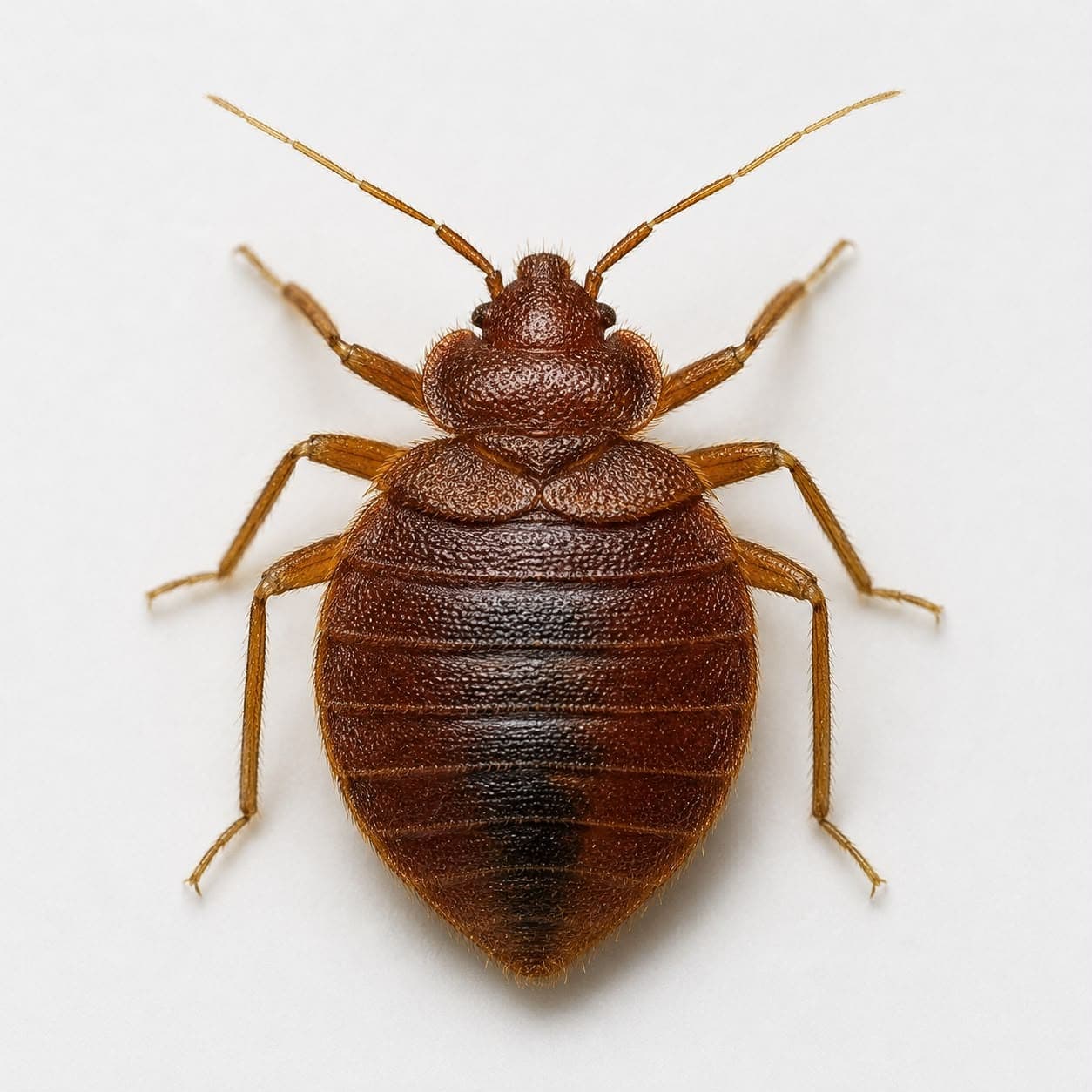
Bed bug
Cimex lectularius · 5 to 6 mm
Hides by day in mattress seams, cracks and behind skirting boards, and bites at night. It travels in luggage.

Whatmovesintoahome,abusinessorawarehouse,howbigitgetsandhowyourecogniseit.Mostspeciescomewithafactsheettoreadupon.
Insects, mites and arachnids
Cimex lectularius · 5 to 6 mm
Hides by day in mattress seams, cracks and behind skirting boards, and bites at night. It travels in luggage.
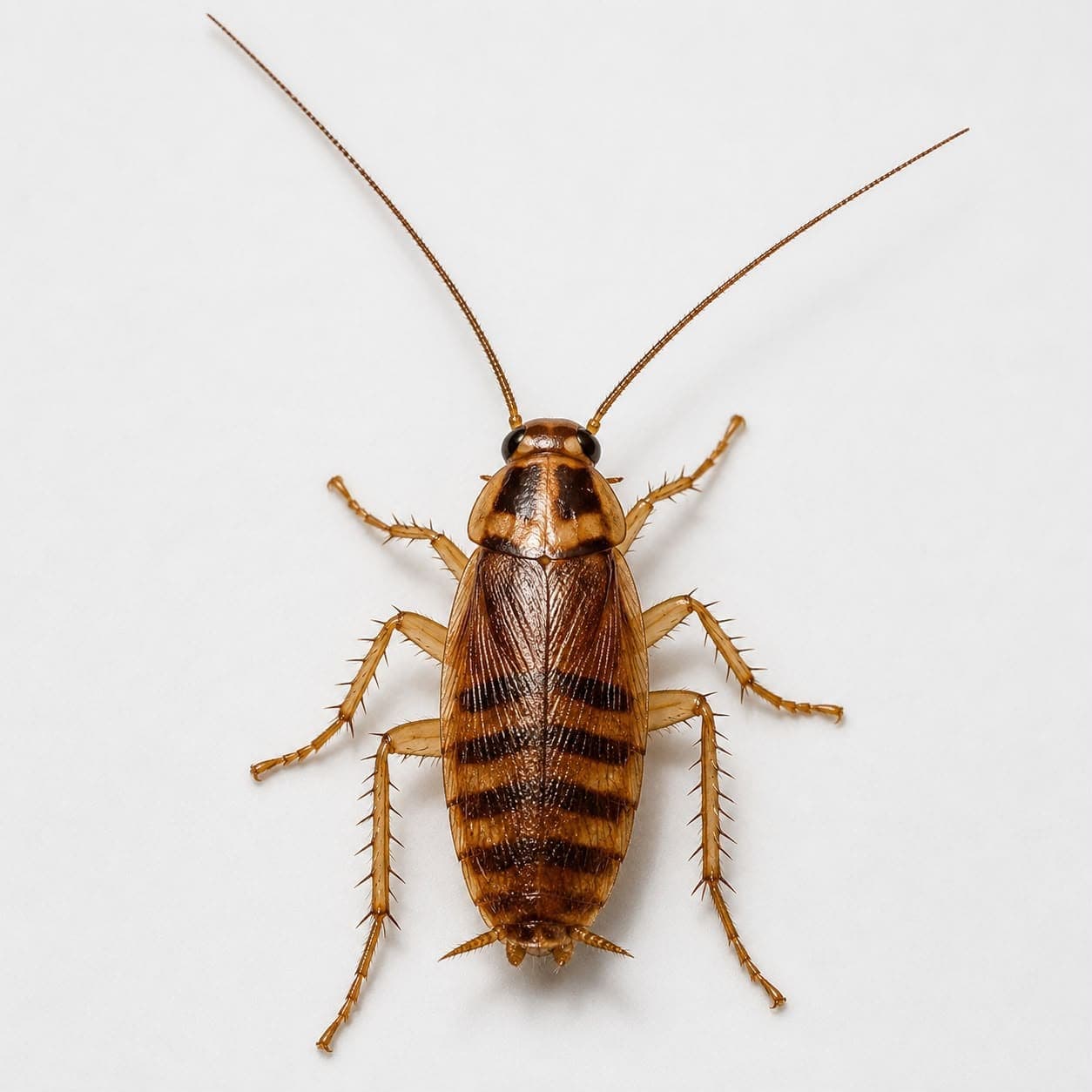
Supella longipalpa · 10 to 15 mm
A heat-loving cockroach that spreads through the whole flat and glues its egg cases into furniture and appliances.
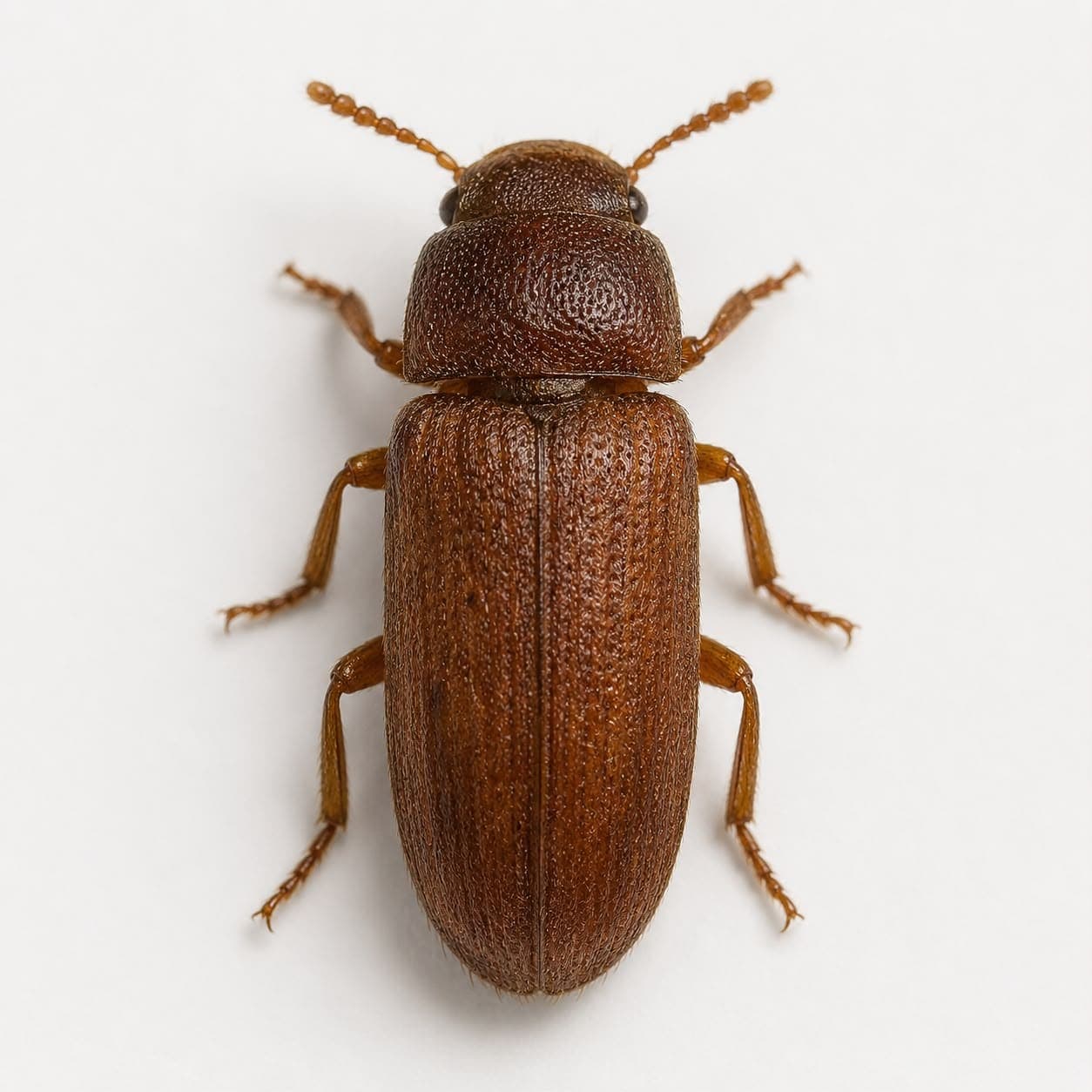
Stegobium paniceum · 2 to 3.5 mm
A stored-product pest in flour, pasta, spices and pet food. The larvae chew straight through packaging.
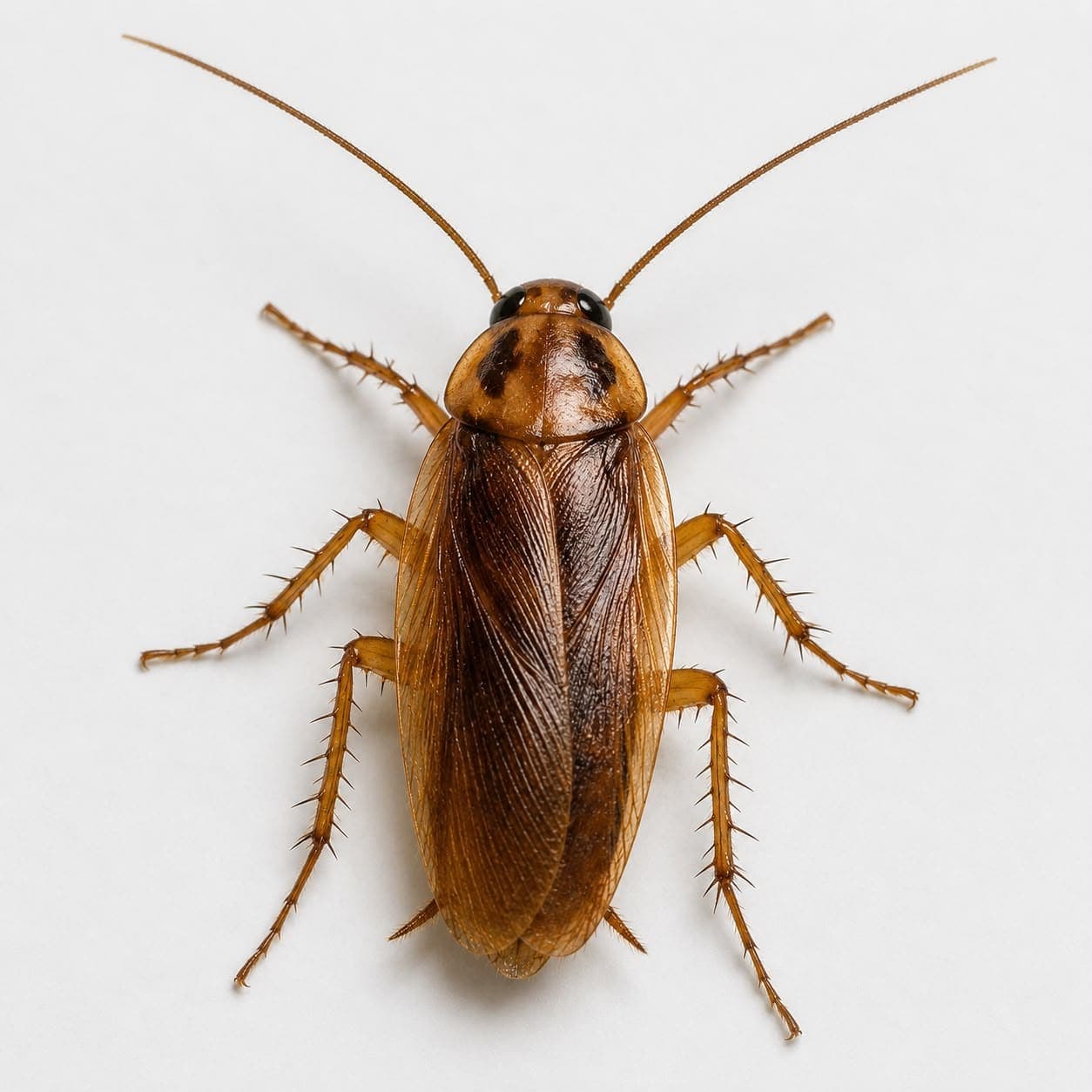
Blattella germanica · 11 to 13 mm
The most common cockroach in kitchens and catering. It stays close to warmth, moisture and food.
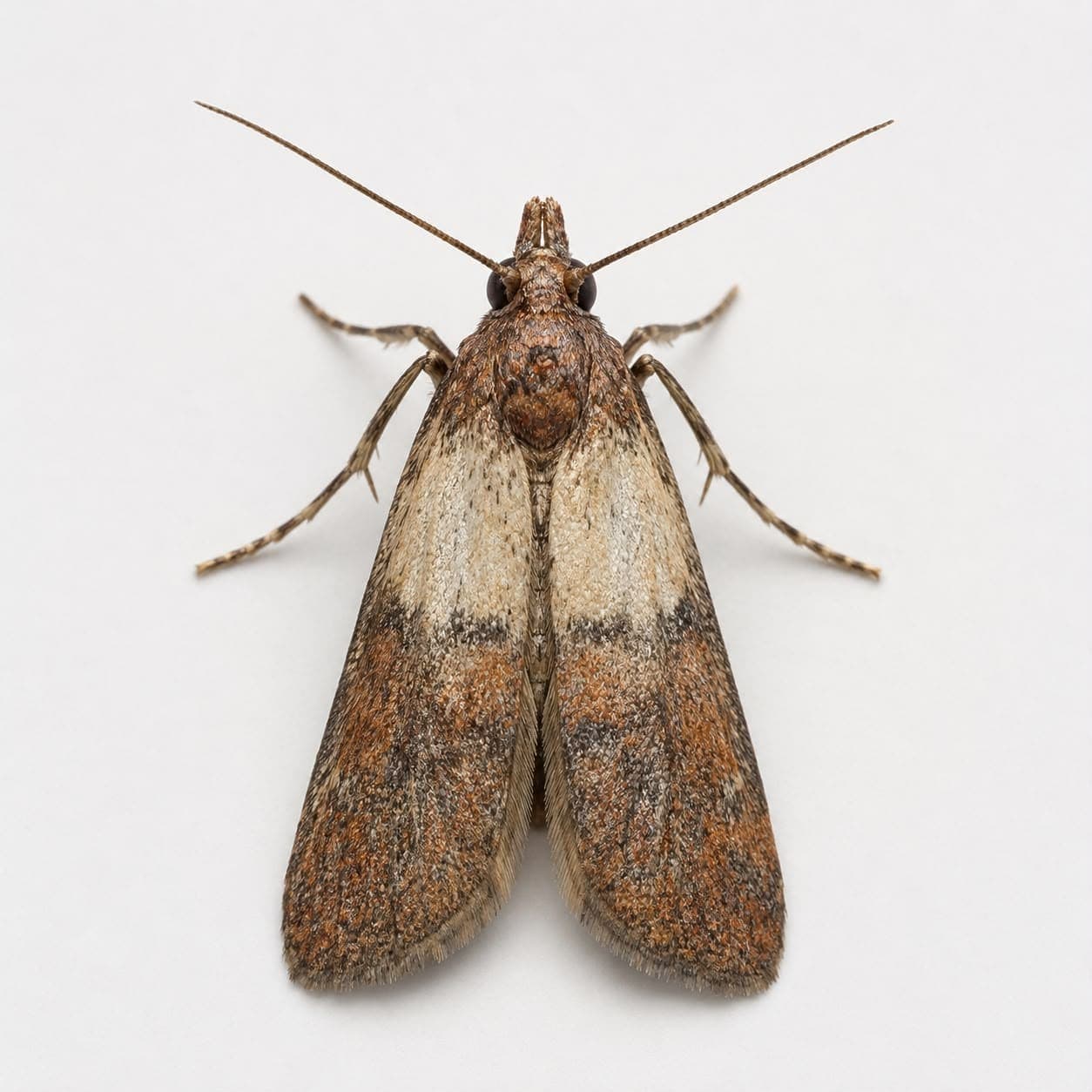
Plodia interpunctella · 7 to 10 mm
A moth of the food cupboard. The larvae web together dried fruit, nuts and cereal products.
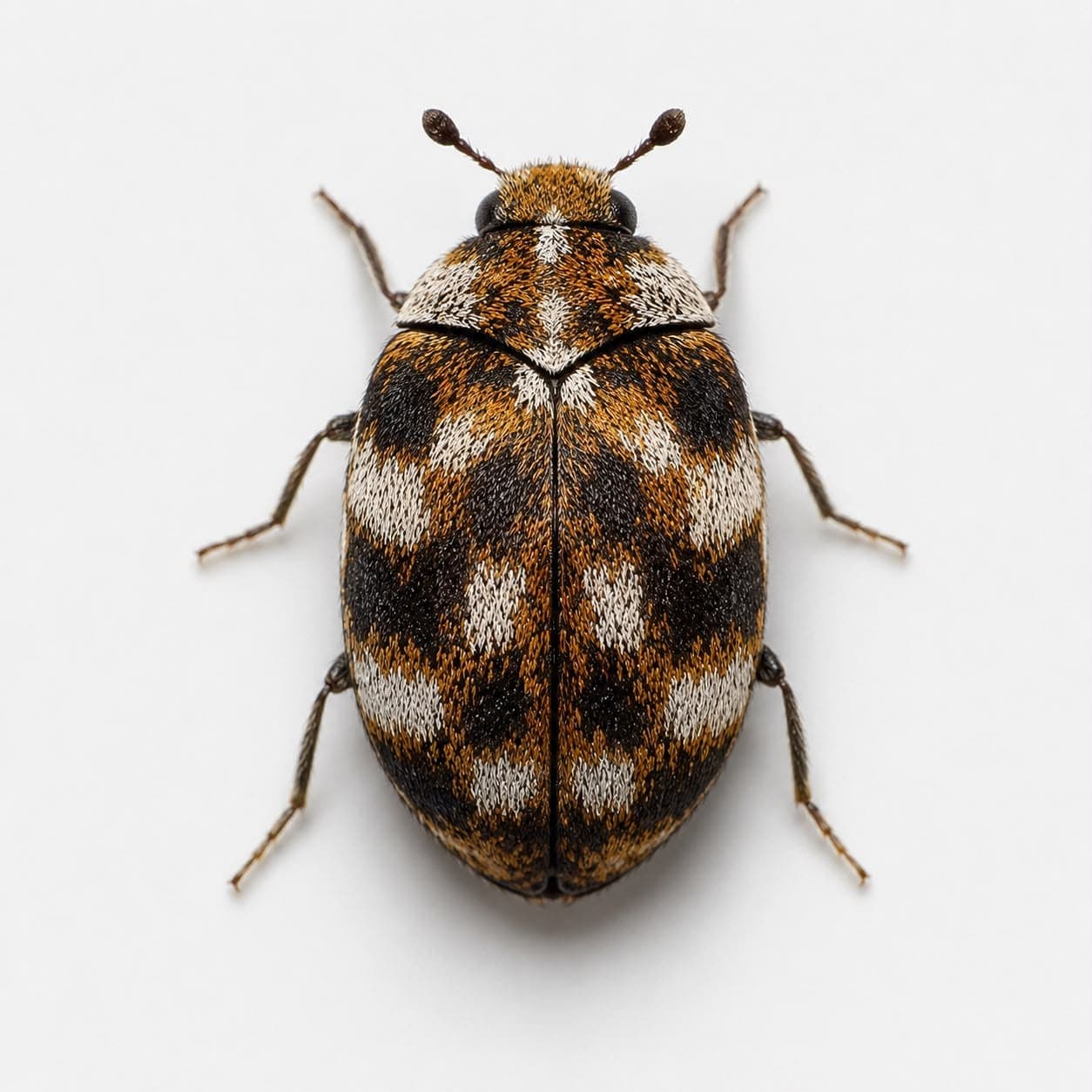
Attagenus pellio · 3 to 6 mm
The larva feeds on wool, fur and feathers. Damage often shows up only in rarely used wardrobes.
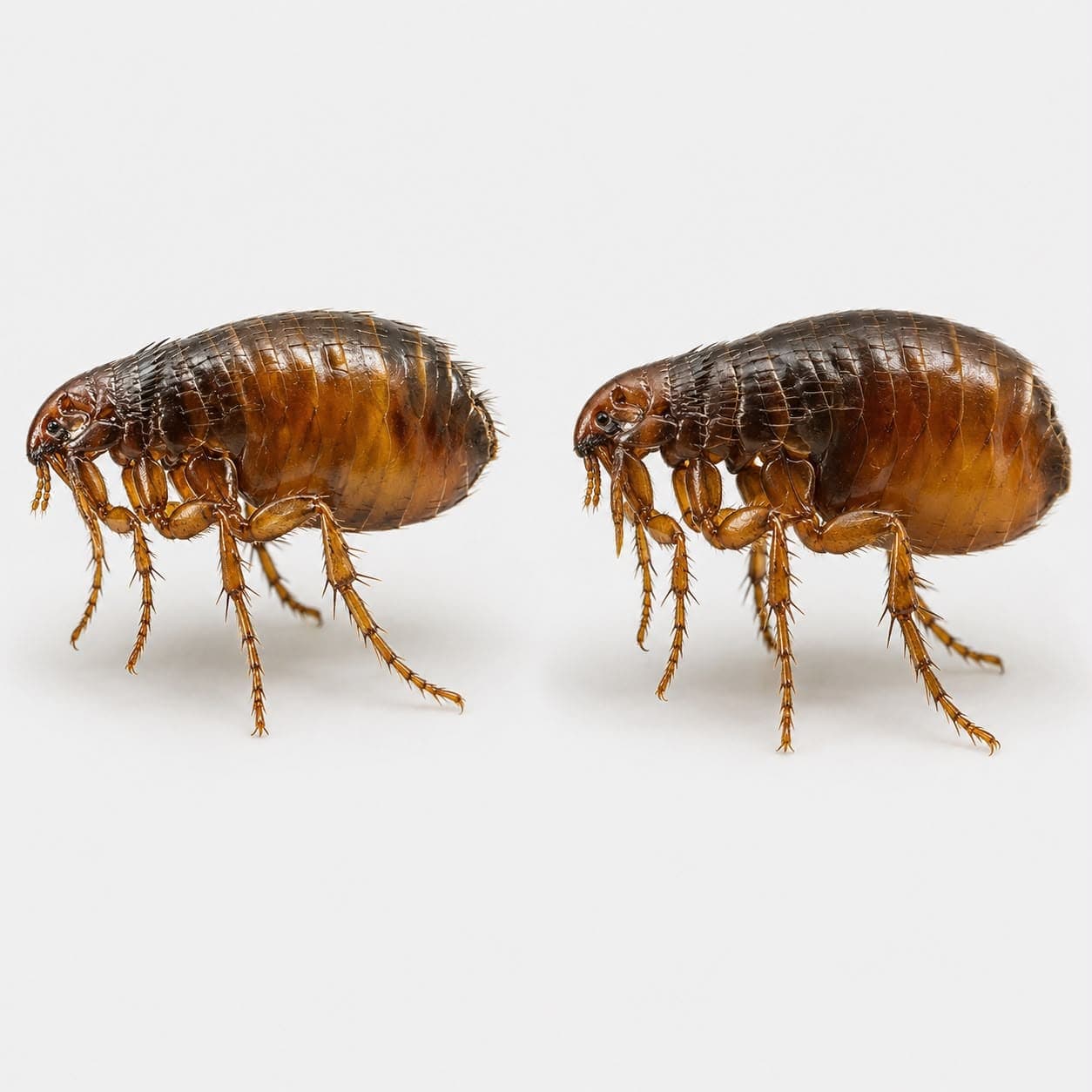
Ctenocephalides felis · 2 to 3.5 mm
Jumps from the pet to people. The larvae develop in carpets, upholstery and floor gaps.
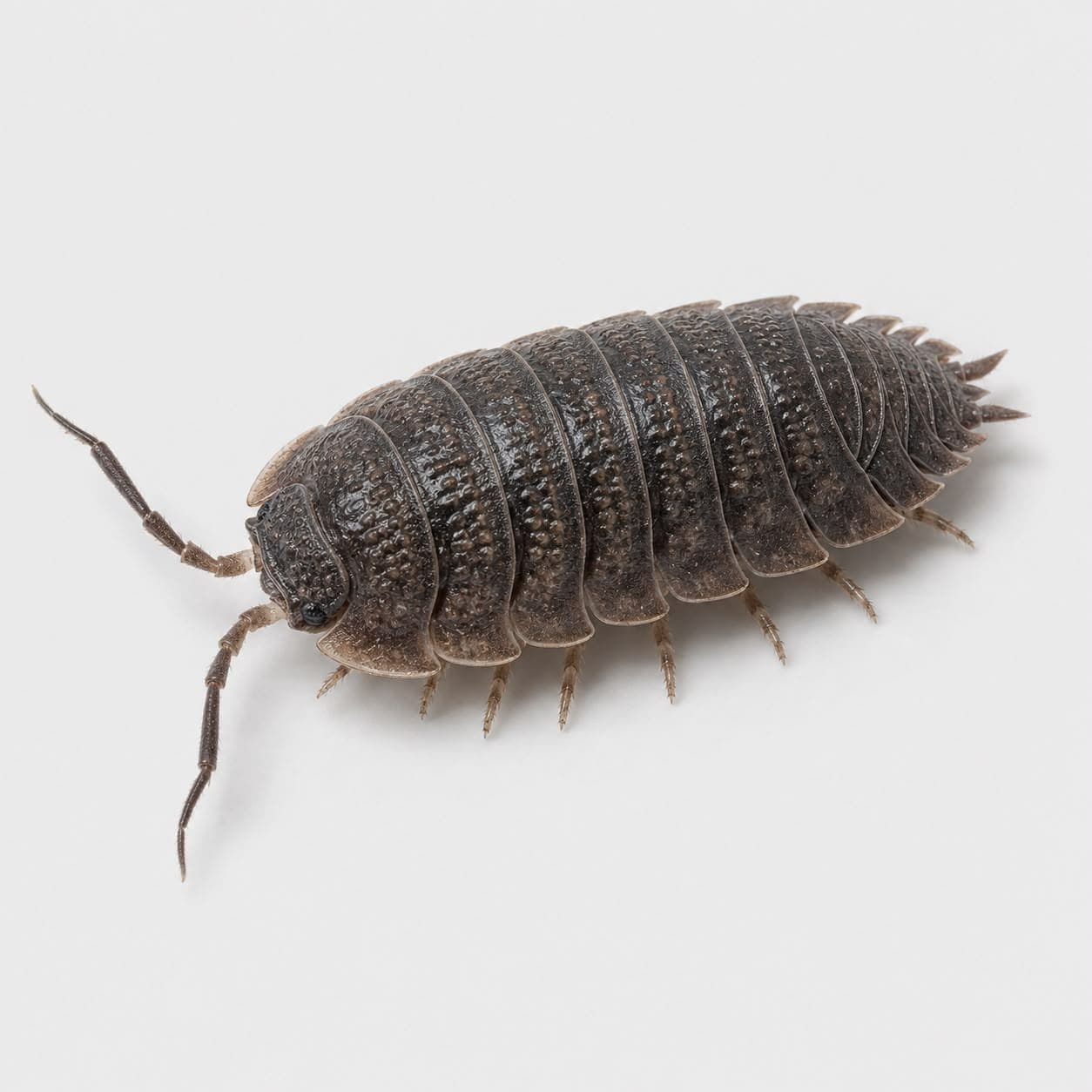
Porcellio scaber · 11 to 16 mm
It needs damp, so its presence usually points to a building fault, in the cellar or under a floor slab.
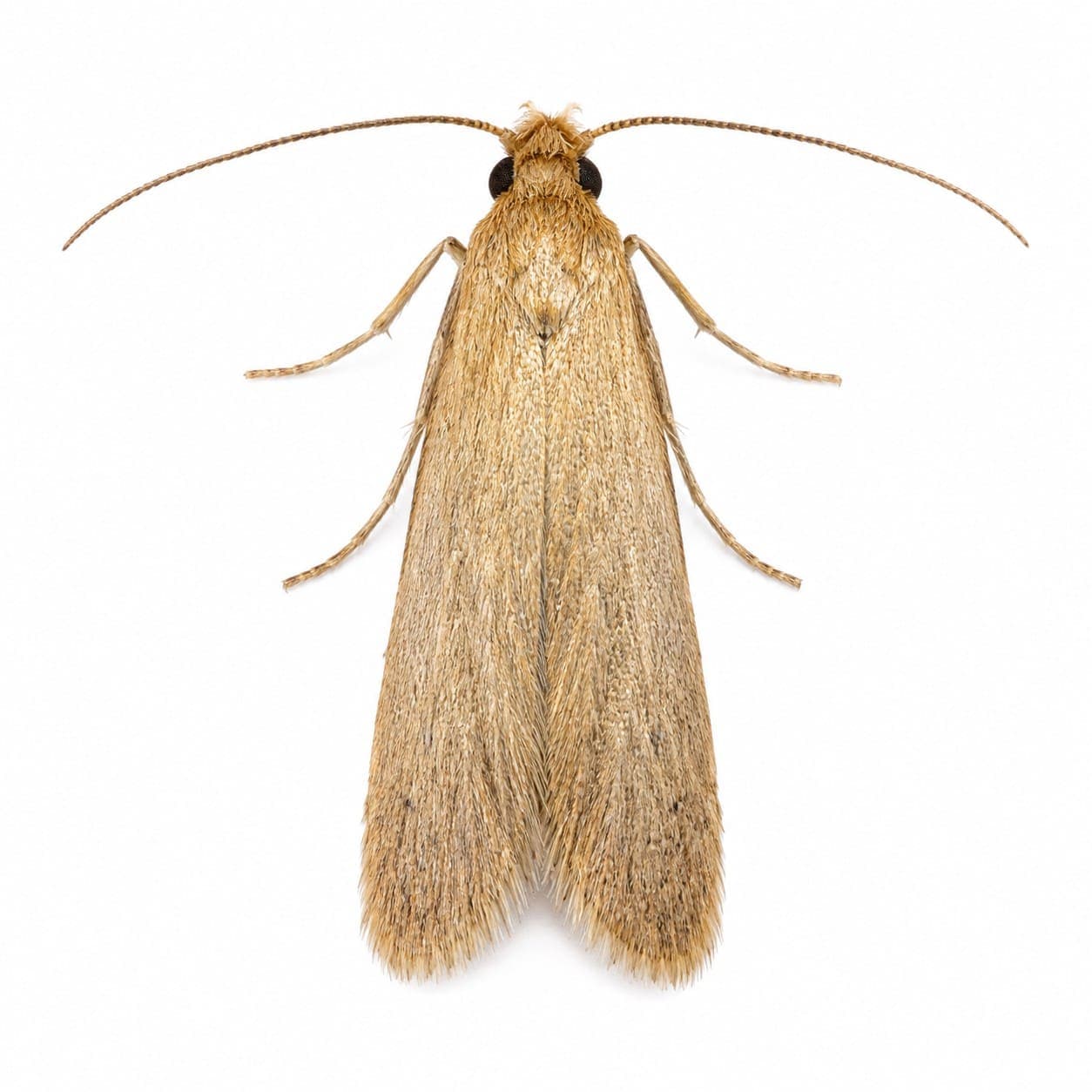
Tineola bisselliella · 4 to 8 mm
The larva eats holes in wool, cashmere and carpets. The adult moth itself does no damage.
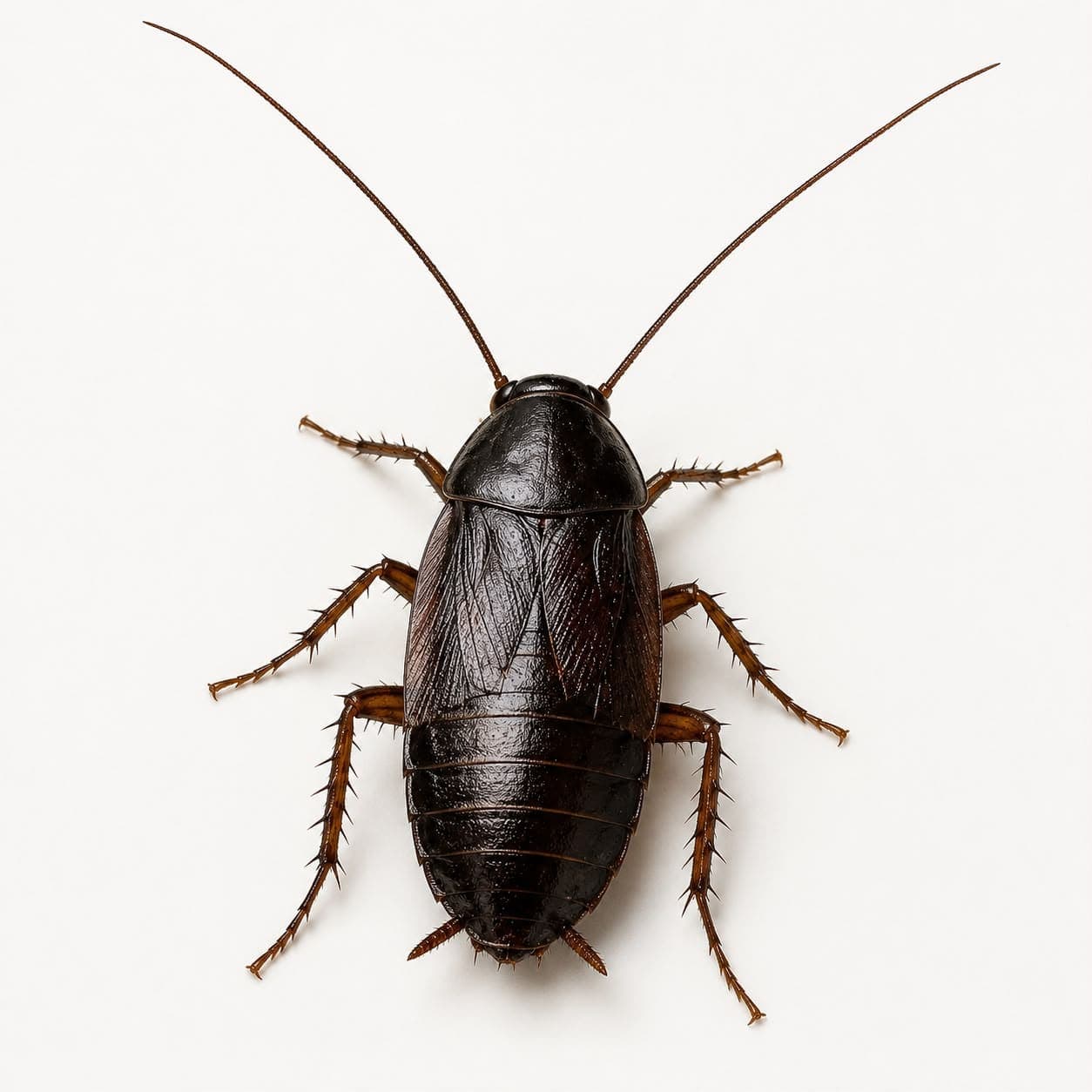
Blatta orientalis · 19 to 25 mm
A large dark cockroach from cellars, drains and service shafts. It climbs up into flats at night.
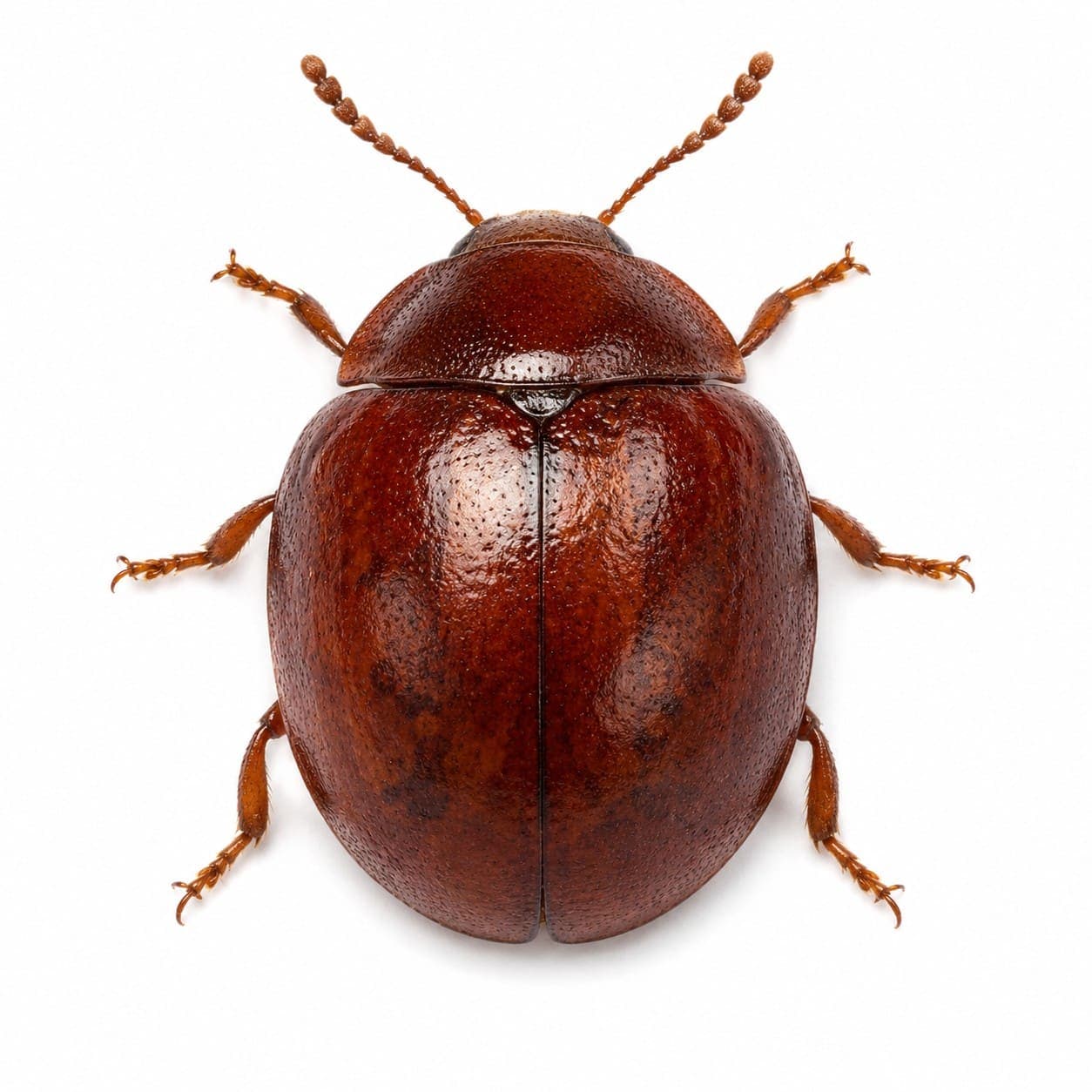
Gibbium psylloides · 2 to 3 mm
Lives in old ceiling fill and cavities of period buildings and moves from there into the flat.
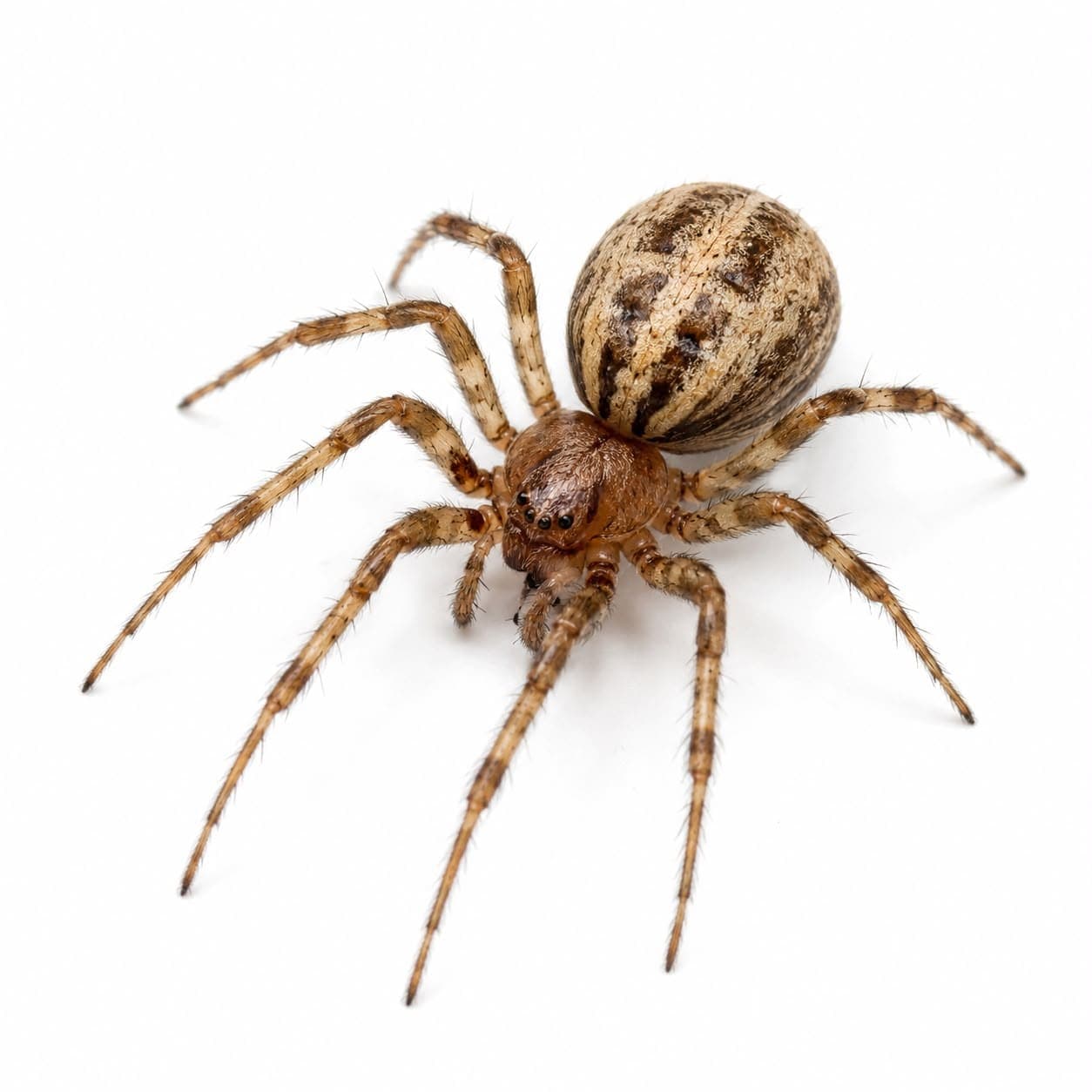
Dictyna civica · 2.3 to 3.5 mm
Spins small flat webs on façades and window frames. Harmless, but unsightly on freshly renovated buildings.
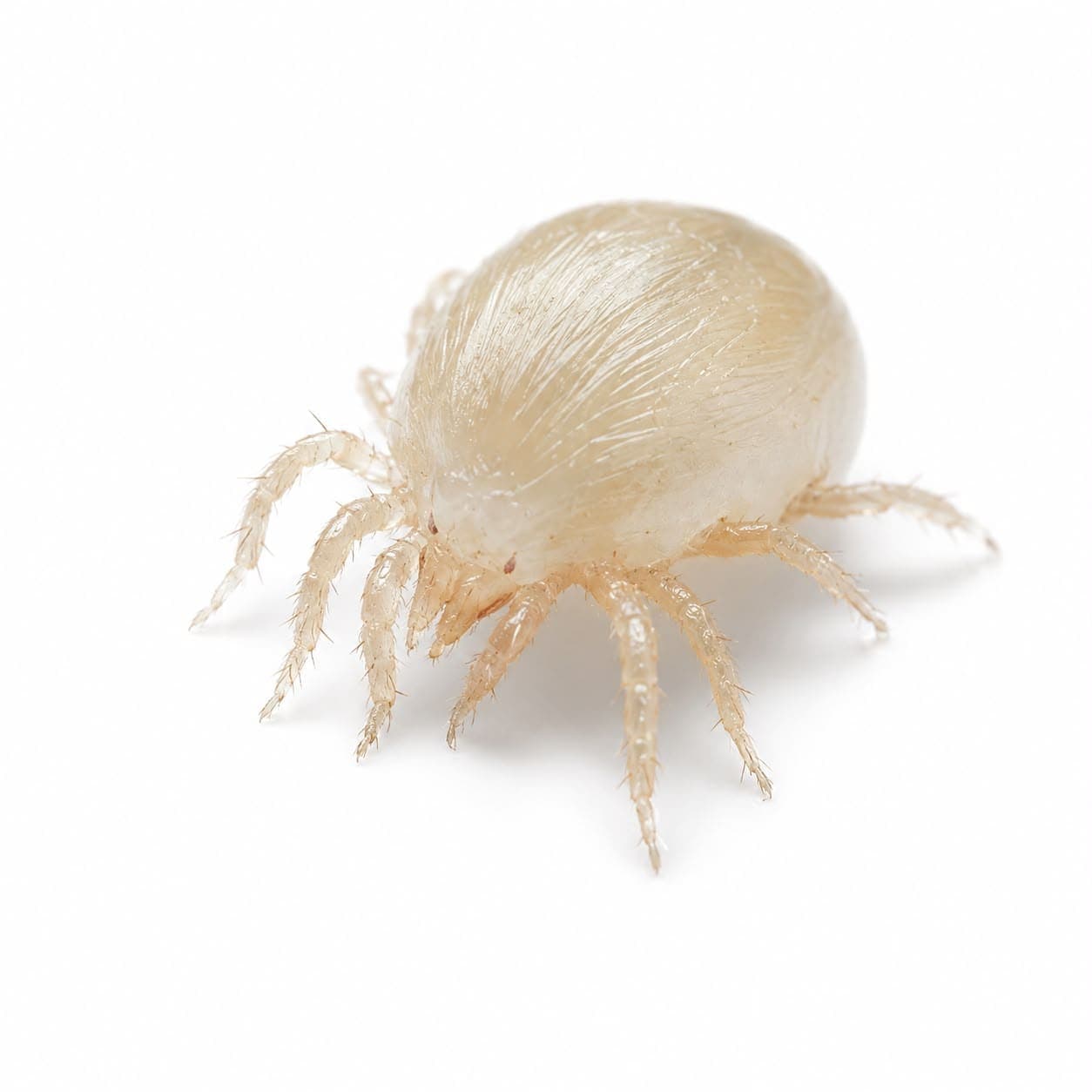
Acarus siro · 0.3 to 0.7 mm
Barely visible to the naked eye, it leaves a sweetish smell and makes flour and grain unusable.
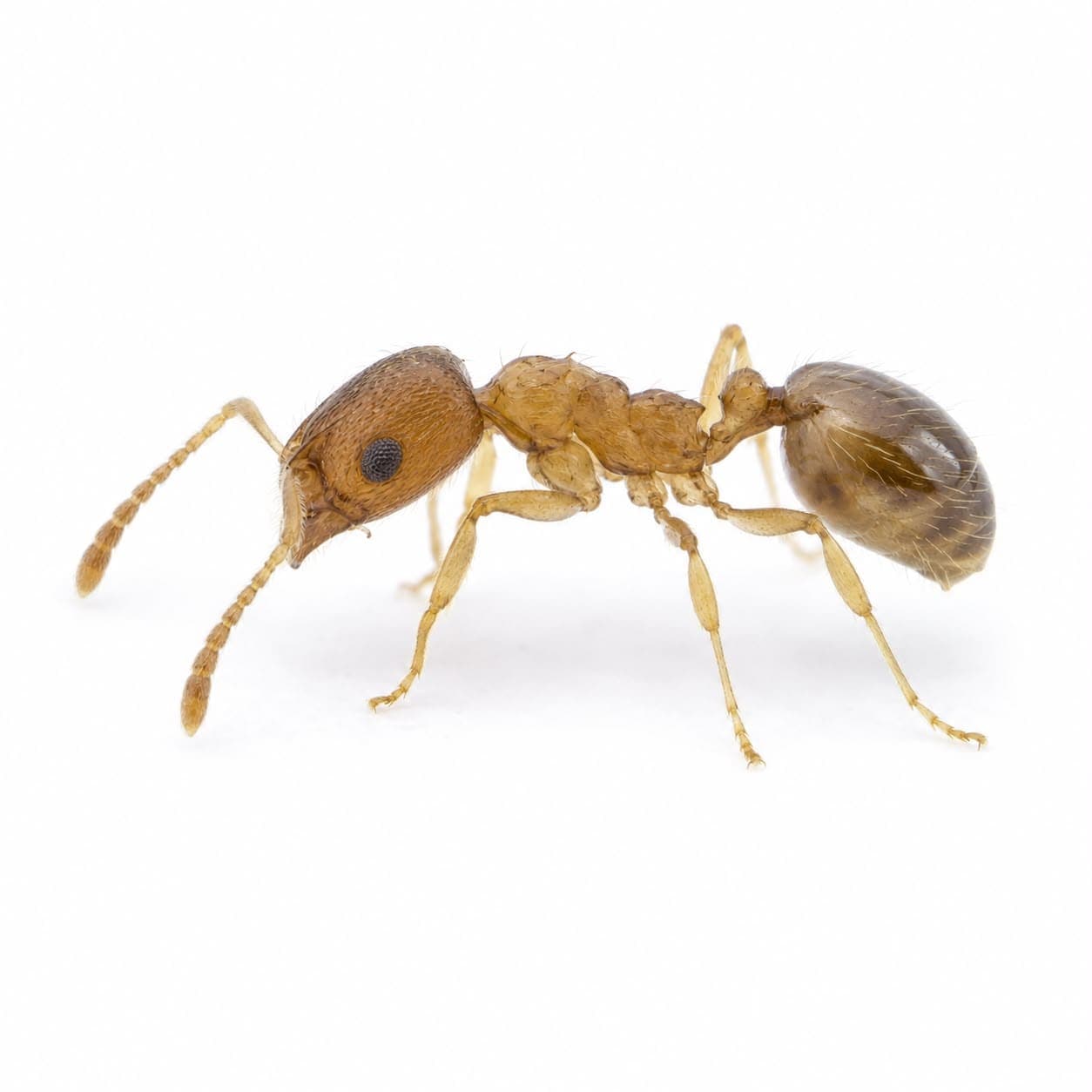
Monomorium pharaonis · 2 to 5 mm
Nests inside buildings, forms several nests at once and is a hygiene problem in hospitals and kitchens.
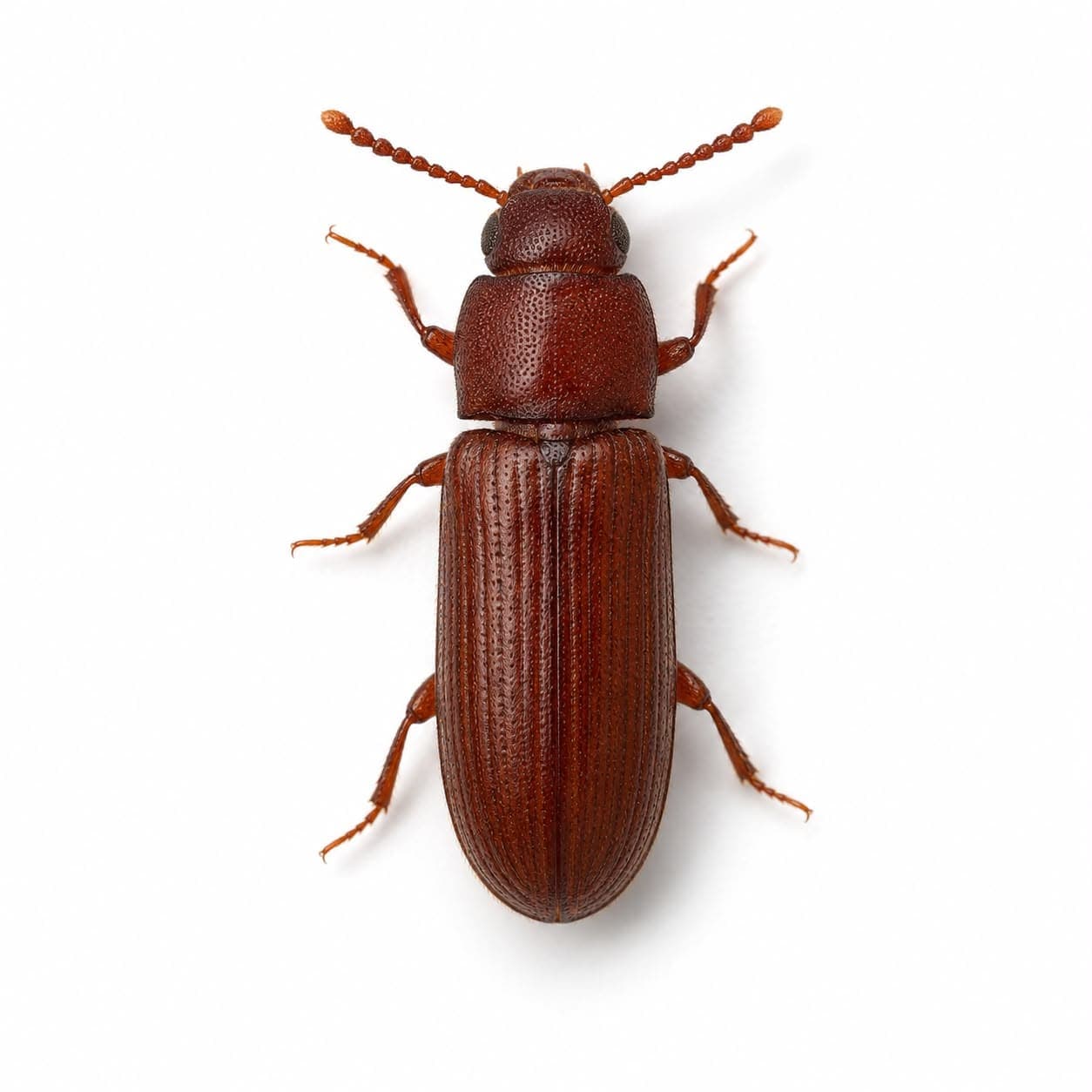
Tribolium castaneum · 2.5 to 4.5 mm
A pest of mills, bakeries and stores. Infested flour smells musty and discolours.
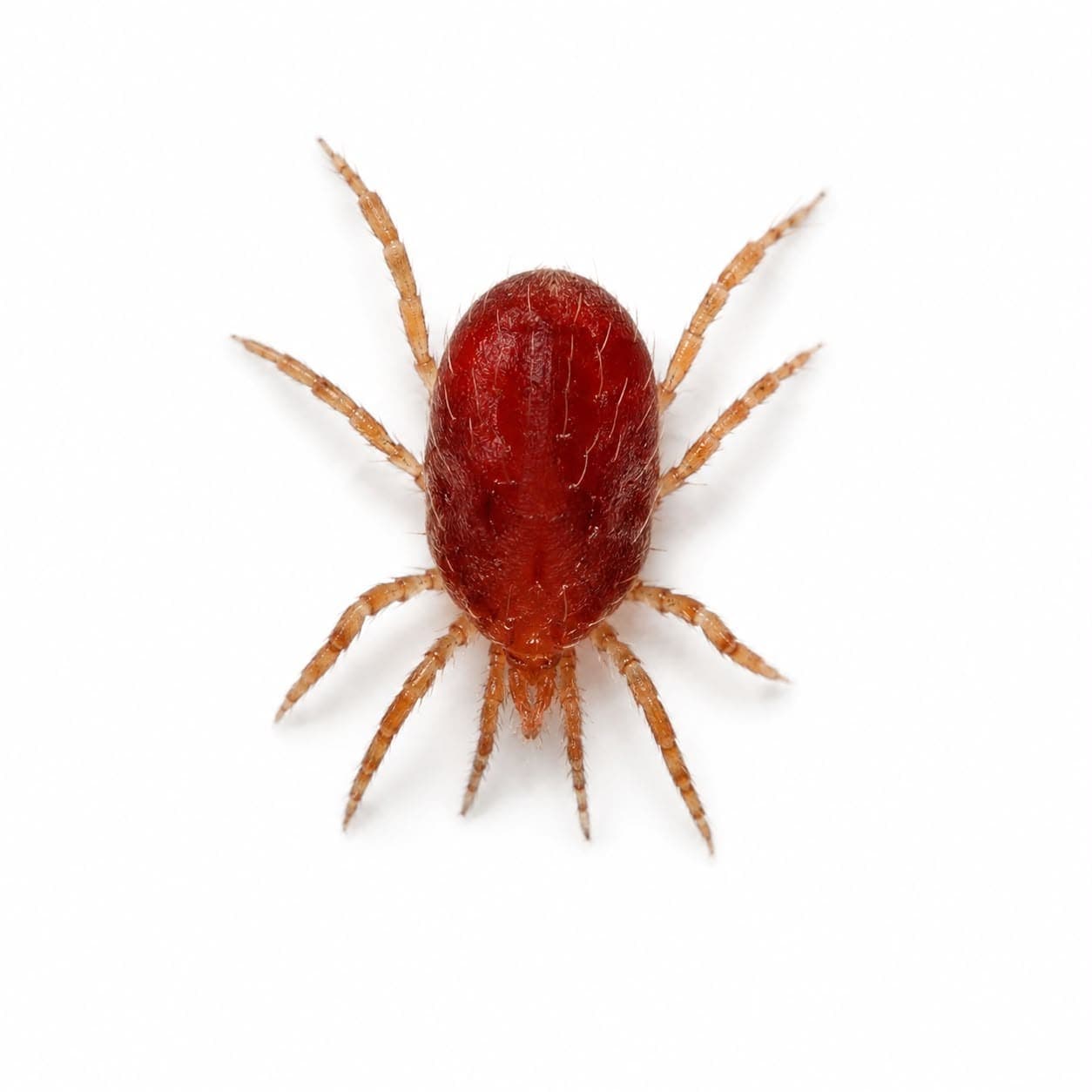
Dermanyssus gallinae · 0.7 to 1.1 mm
Lives in bird nests and looks for new hosts once the young have fledged, people included.
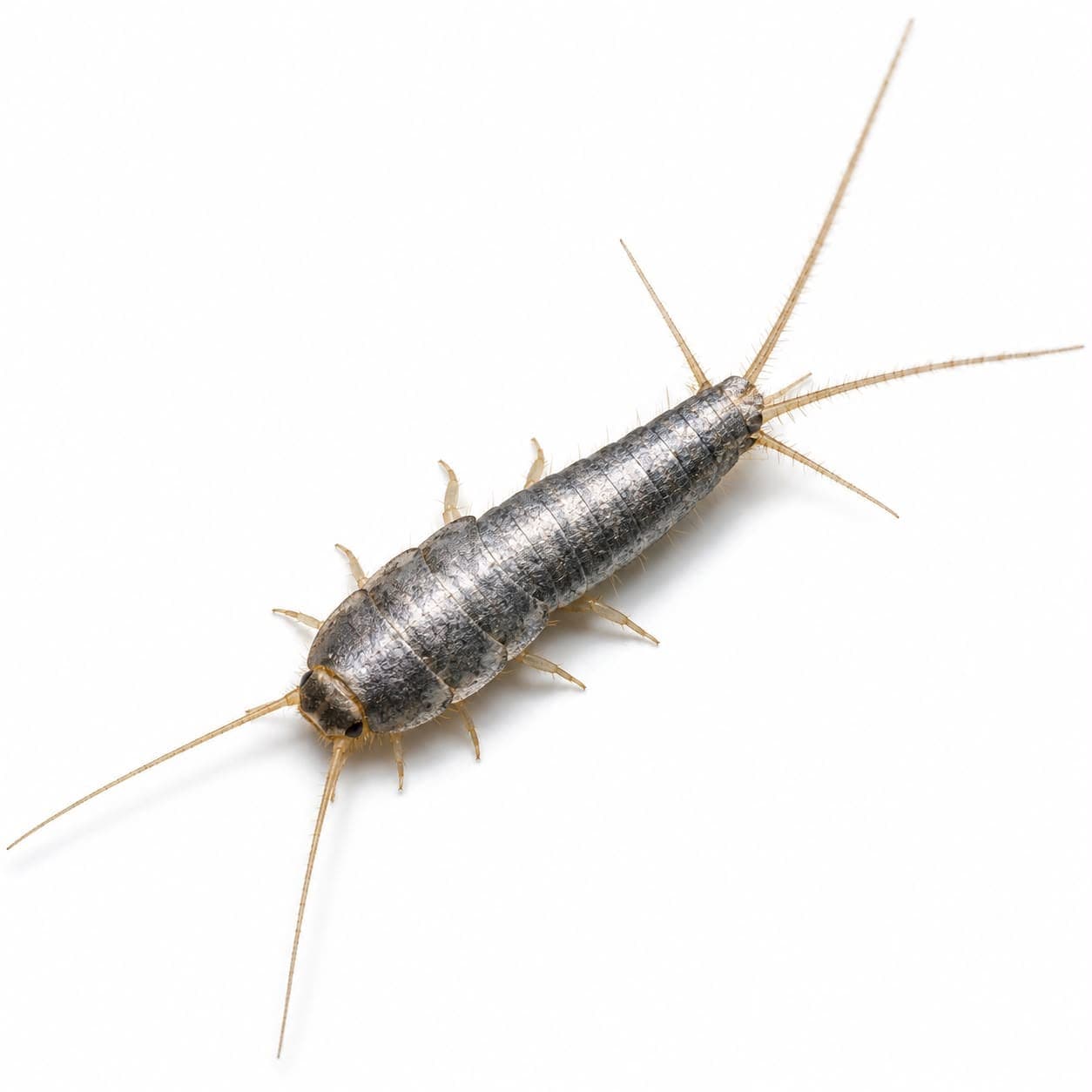
Lepisma saccharina · 8 to 13 mm
Nocturnal, moisture-loving and usually in the bathroom. An infestation points to air that is too humid.
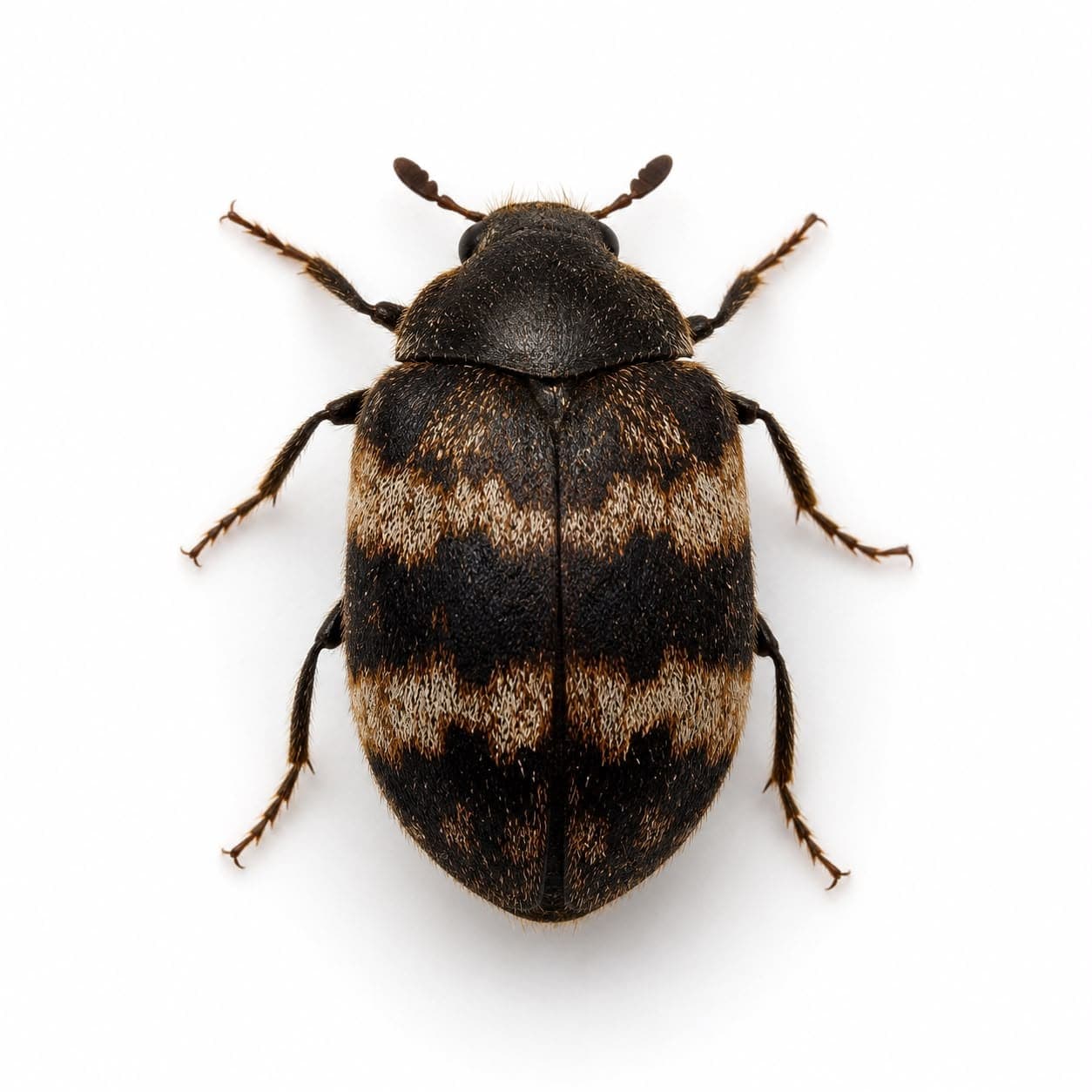
Dermestes lardarius · 7 to 9 mm
The larvae feed on dried meat, hides and carcasses. To pupate they bore into timber and insulation.
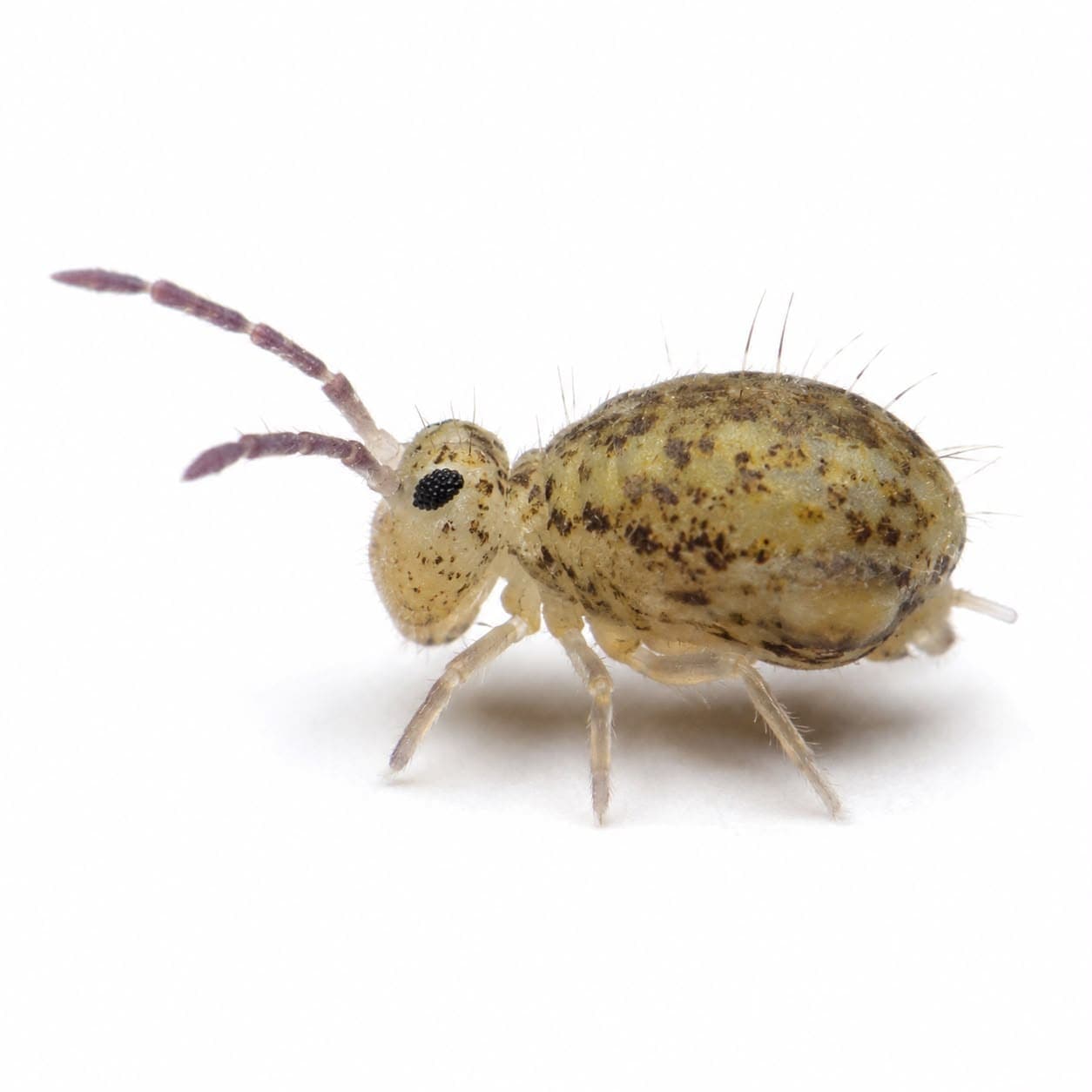
Collembola · 1 to 5 mm
Appear in masses in damp potting soil, bathrooms and new builds still drying out. They cause no damage.
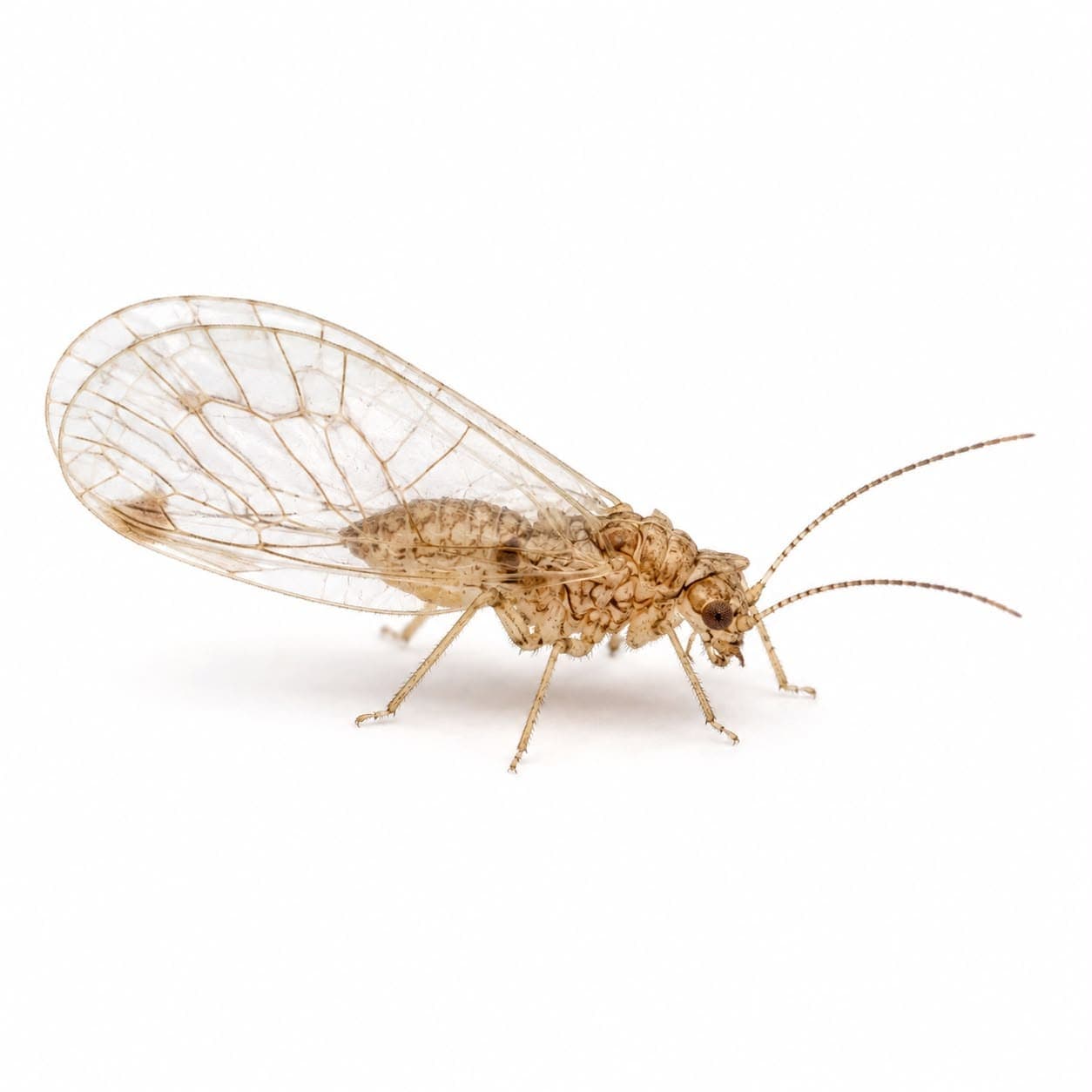
Psocoptera · 1.5 to 2 mm
Indicates damp, for instance in new builds or behind wallpaper. It feeds on fine mould growth.
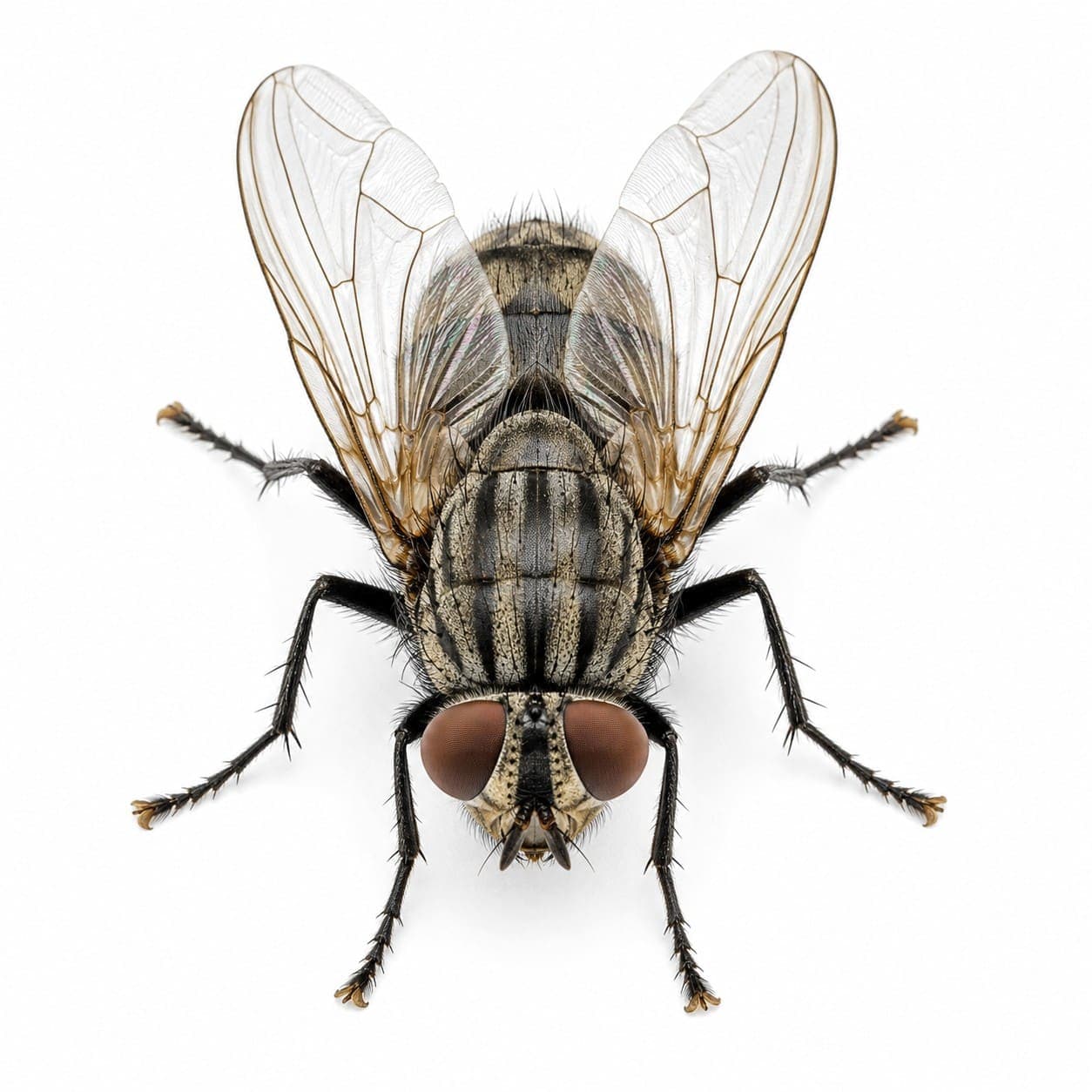
Musca domestica · 7 to 9 mm
Carries germs from waste onto food and multiplies fast wherever organic material lies open.
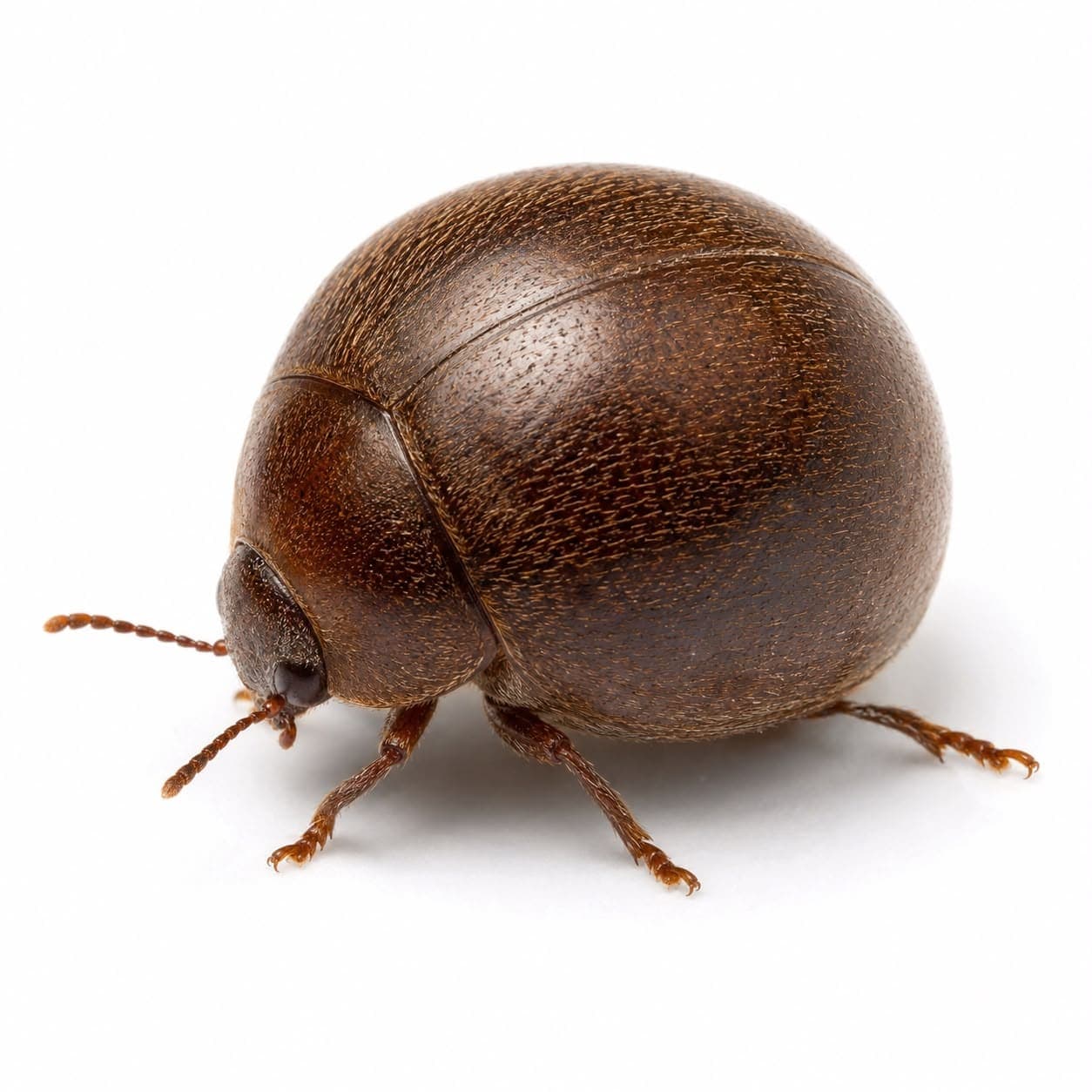
Lasioderma serricorne · 2 to 3 mm
Feeds on tobacco, spices, dried fruit and animal feed. It flies well and spreads quickly through a store.
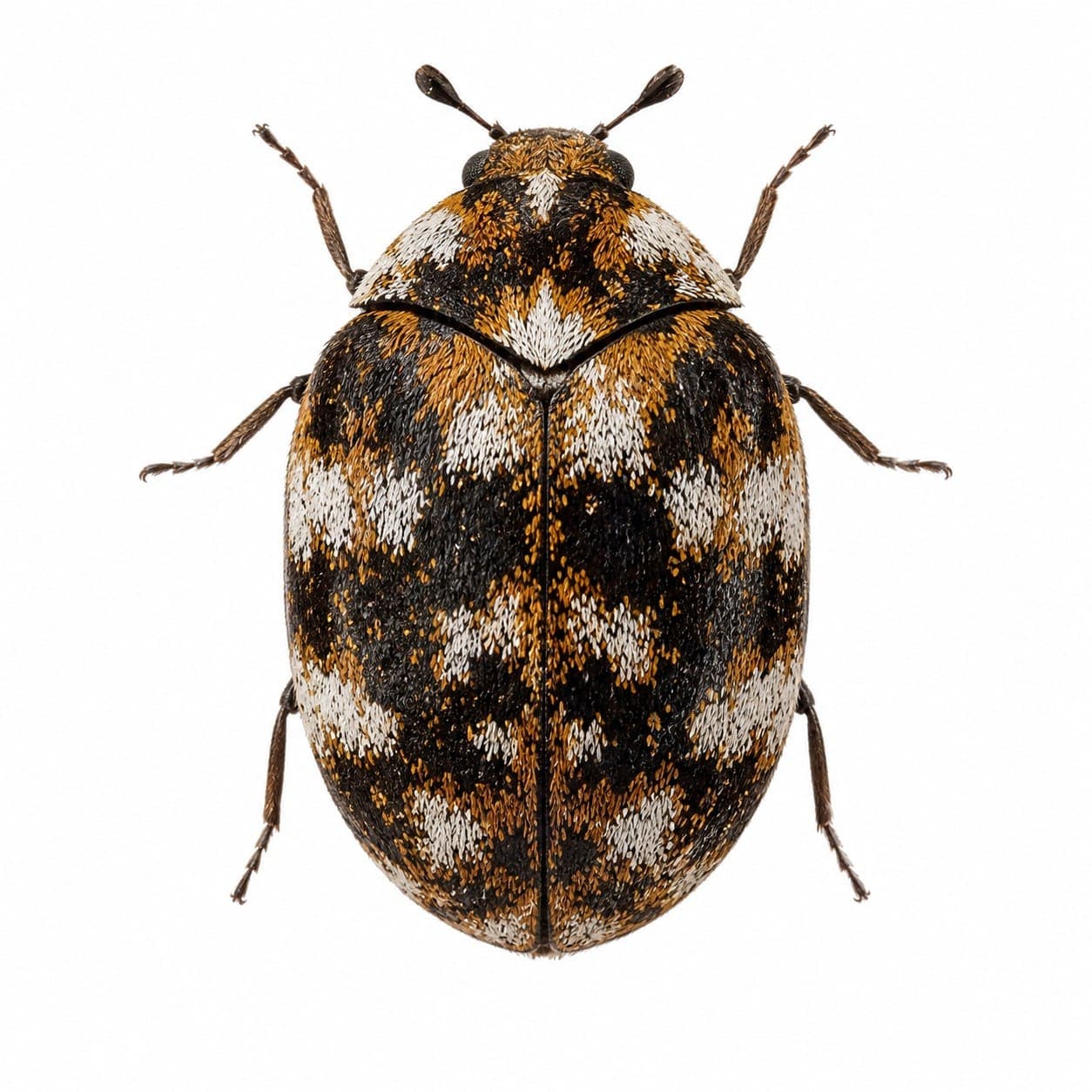
Anthrenus scrophulariae · 2 to 3.8 mm
The adult sits at the window while the larva feeds on wool and animal hair in the carpet.
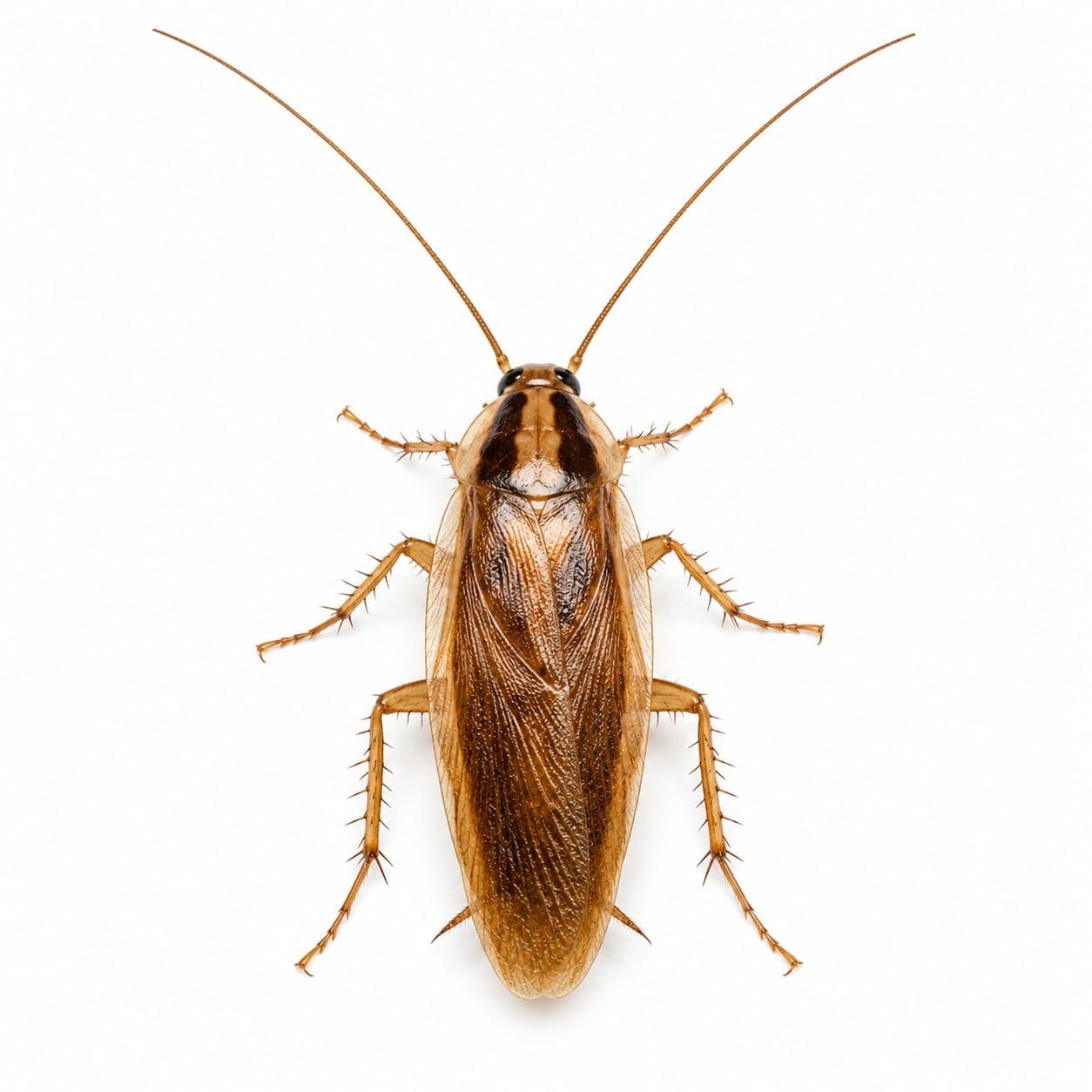
Ectobius vittiventris · 9 to 14 mm
Comes in from outside in late summer, mostly via balcony and windows. It does not breed indoors.
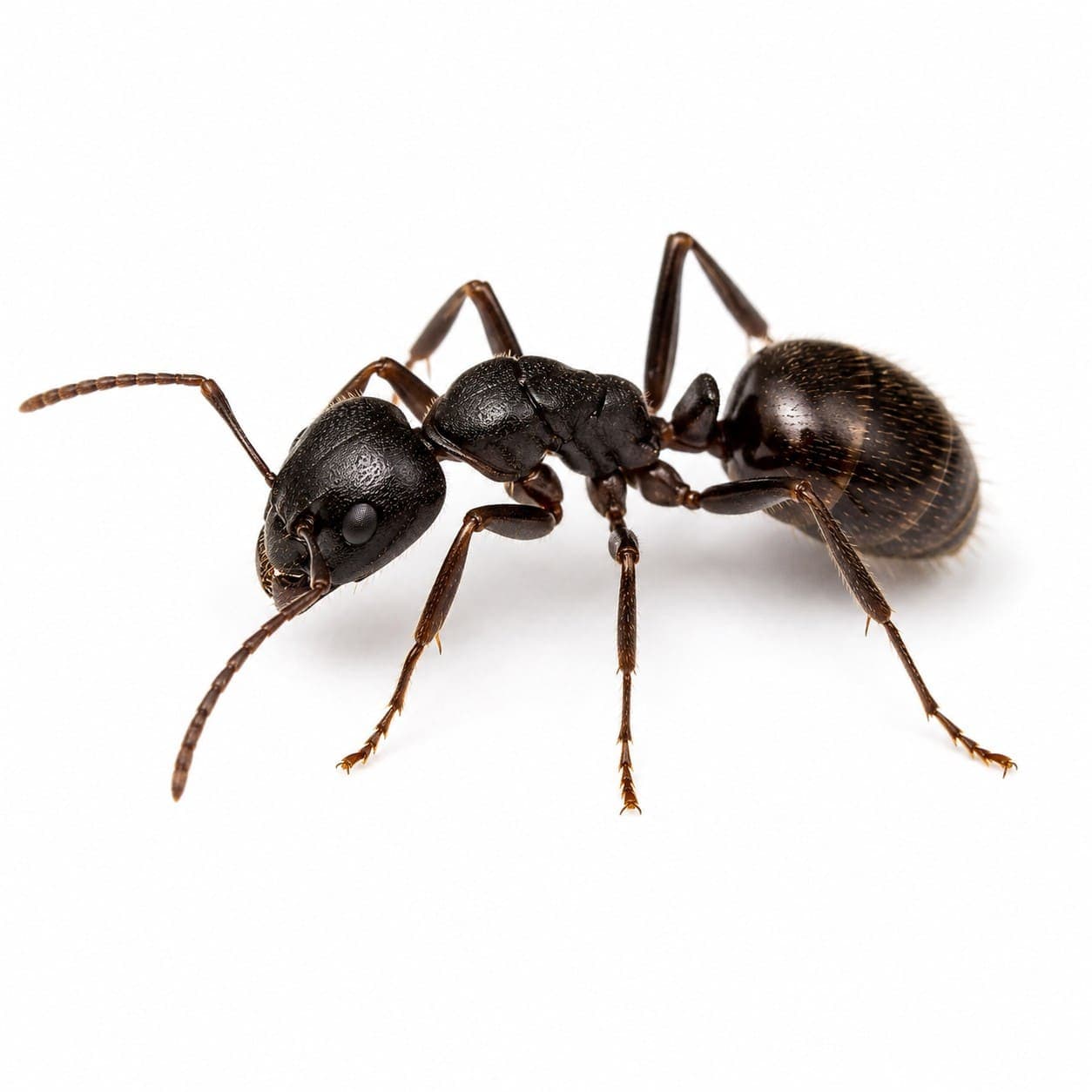
Lasius niger · 3.5 to 4.2 mm
The most common ant around the house. It follows scent trails and uses joints and cracks to get in.
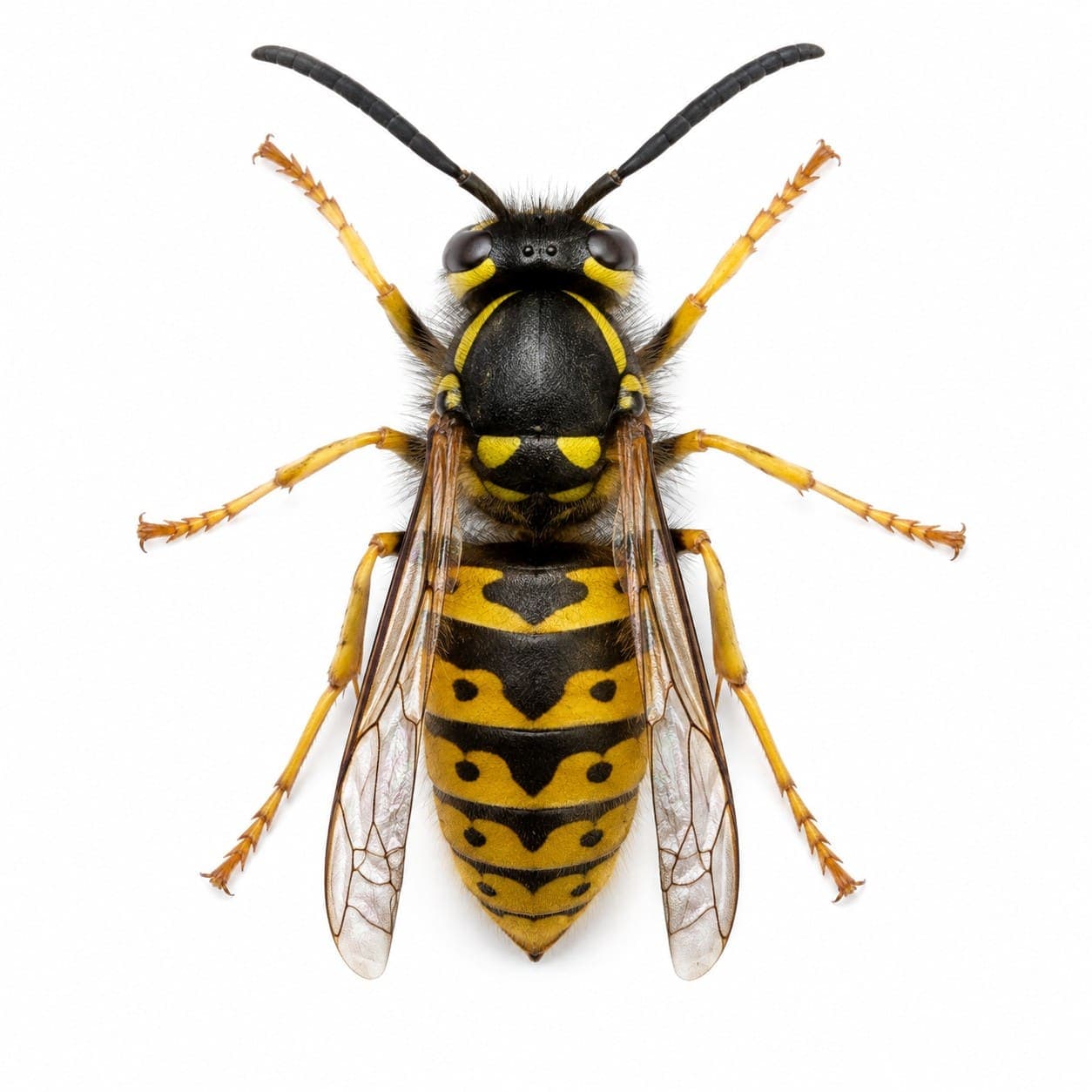
Vespula vulgaris · 12 to 16 mm
Builds nests in blind boxes, lofts and holes in the ground. From high summer on it becomes a nuisance at the table.
Rodents and martens
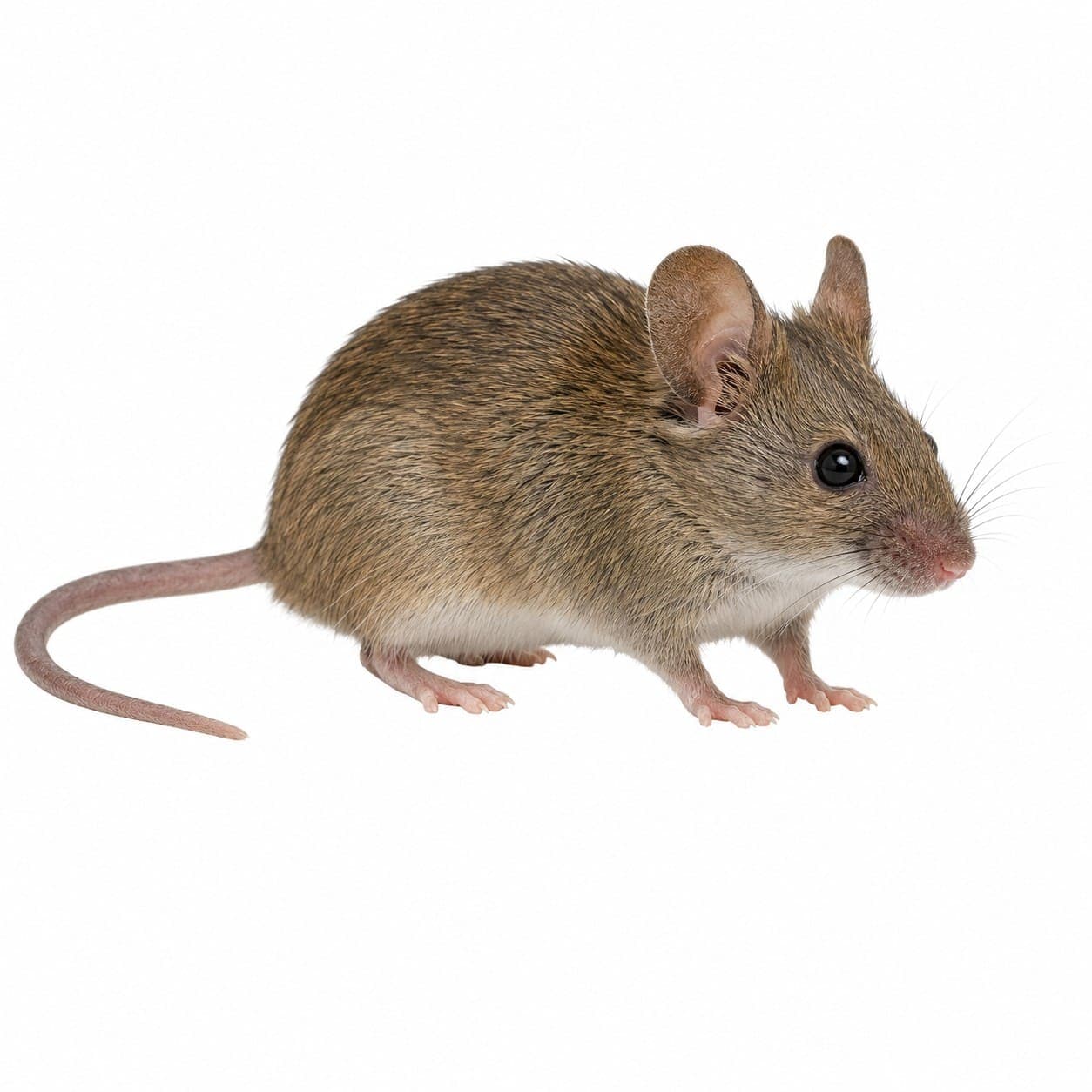
Mus musculus domesticus · Body 60 to 100 mm, Tail 70 to 110 mm
Gets through a gap of a few millimetres. Gnaw marks, droppings and rustling at night are the first signs.
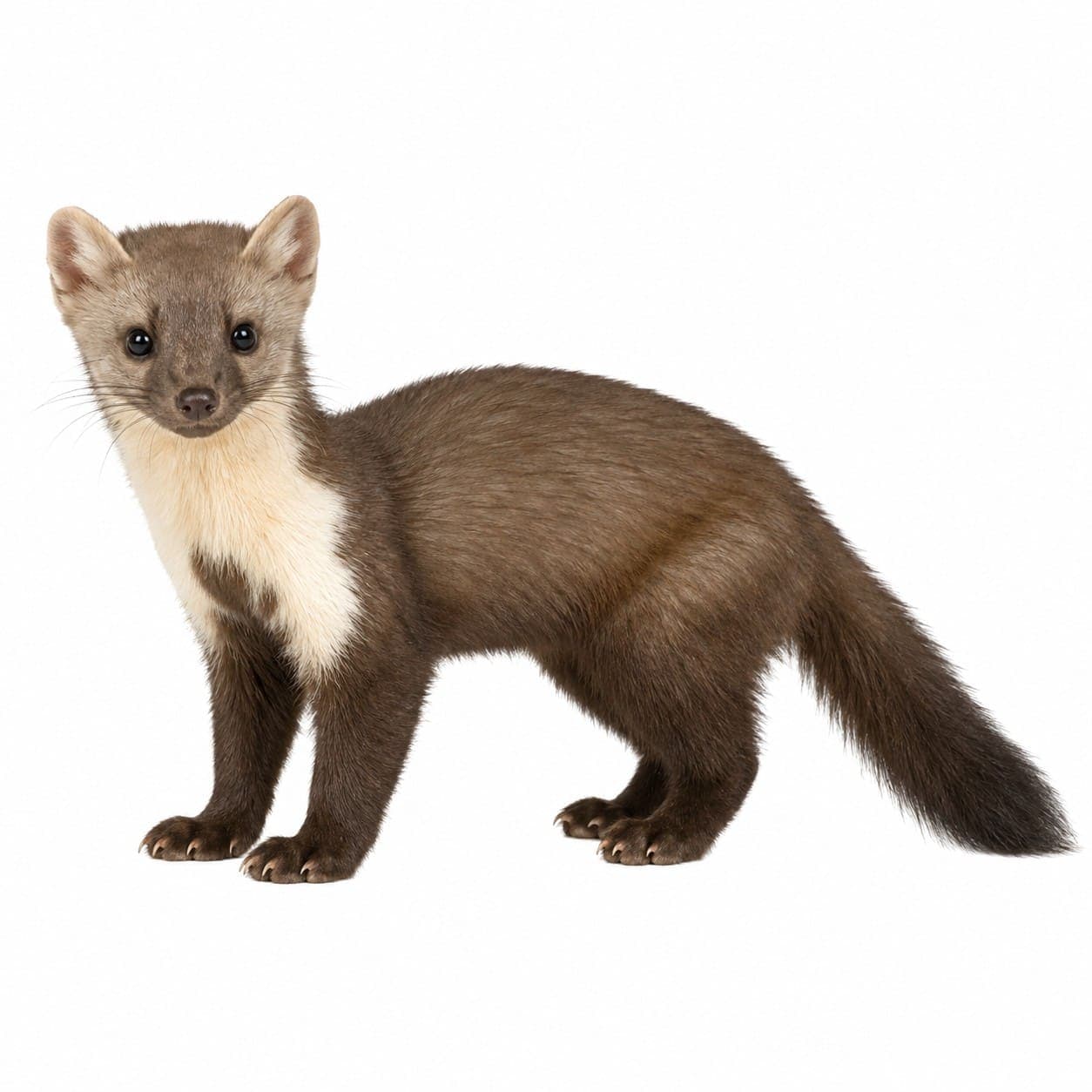
Martes foina · Body 400 to 540 mm, Tail 220 to 300 mm
Uses lofts as a den and damages insulation and cabling. It is a protected species, so the work is deterrence and sealing.
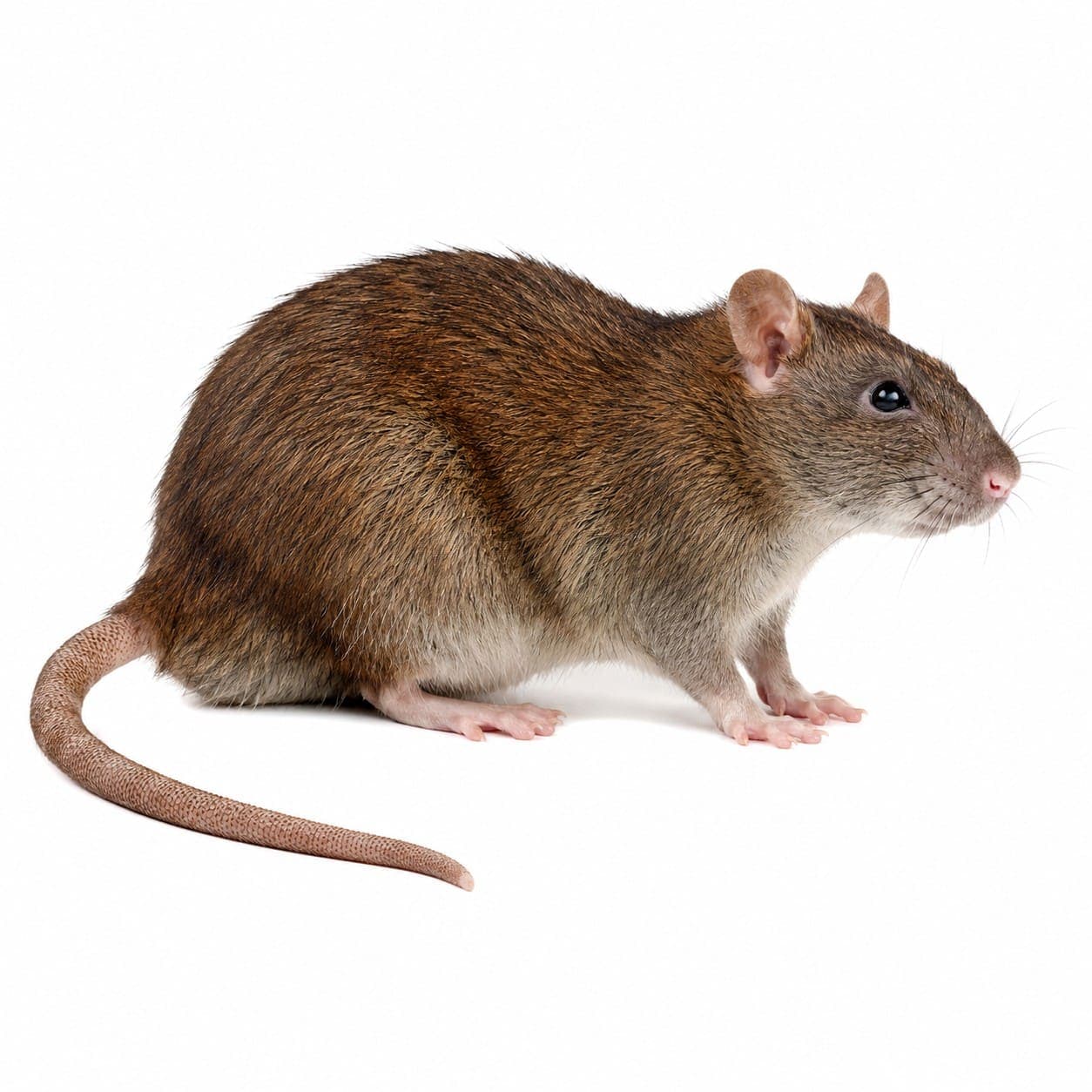
Rattus norvegicus · Body 180 to 250 mm, Tail 160 to 210 mm
Lives in sewers, cellars and outdoors. It gnaws cables and pipes and is a serious hygiene risk.
Birds on and inside buildings
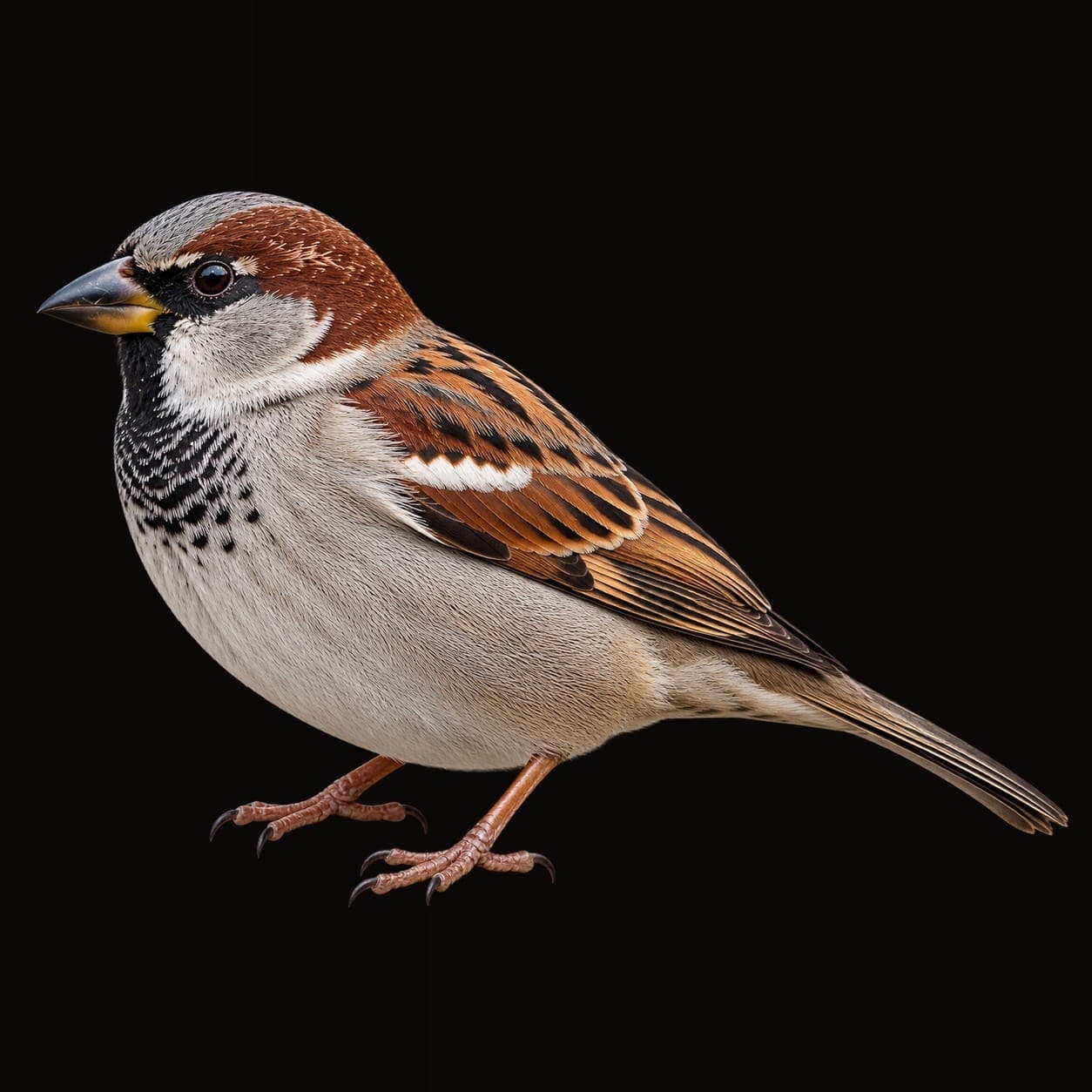
Passer domesticus · 140 to 160 mm
Nests in façade gaps and under roof tiles. It is protected, so only physical exclusion is an option.
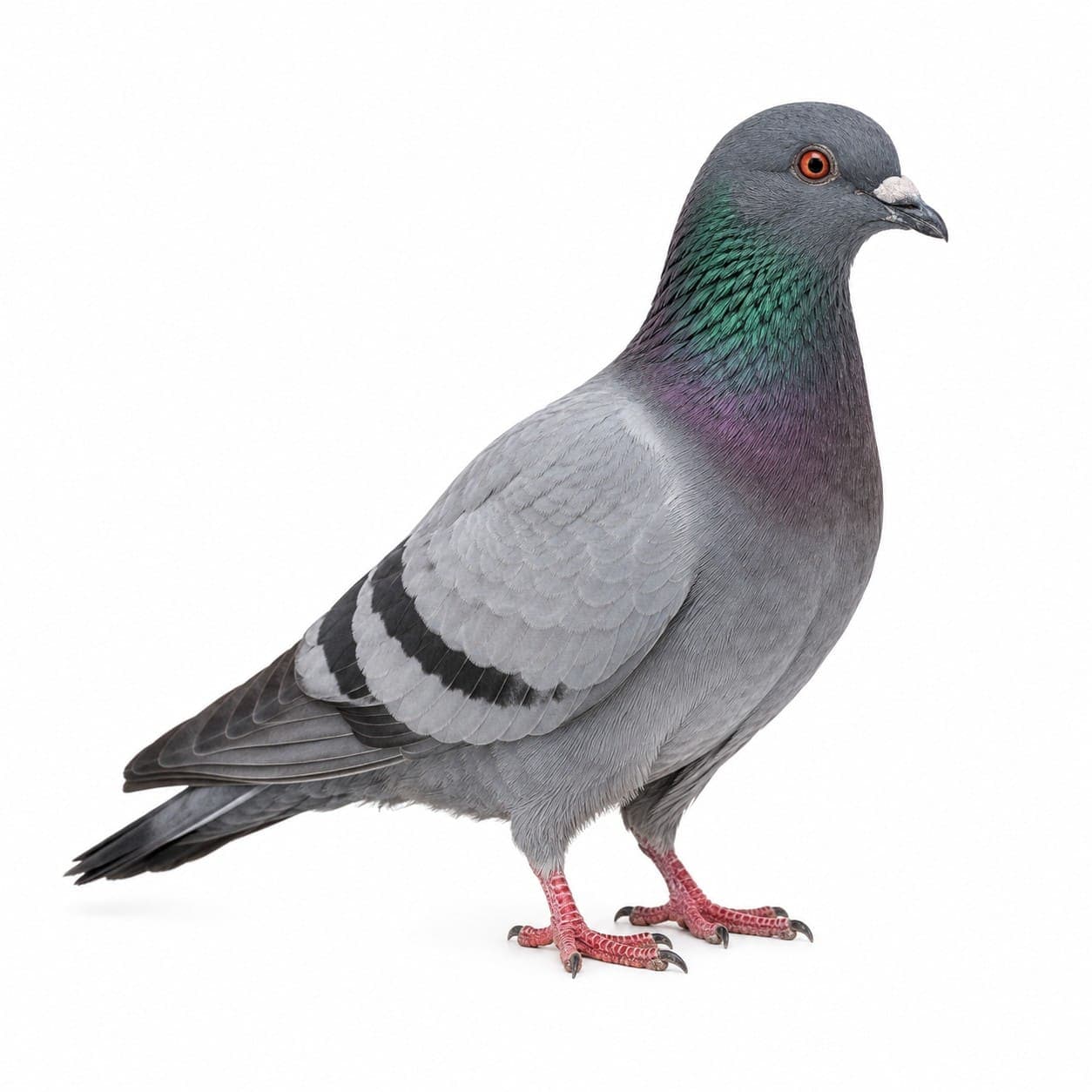
Columba livia forma domestica · 310 to 340 mm
Droppings attack the building fabric and bring parasites with them. Netting, tensioned wires and spikes work.
Send me a photo or call. I will tell you which species it is and what needs to happen.